NatureFlowers8 designsFree to print
print, color, learn
Free Flower Coloring Pages
Eight free printable flower coloring pages, from a simple daisy with two leaves for little hands to a sunflower with a criss-cross seed head for older kids. Download the PNG or print straight from this page.
share:
pick a favourite
8 Flower designs to color
Tap any sheet for a closer look, then download or print it.
Flower Coloring Page - Tall Tulip Long Leaves
Flower Coloring Page - Daffodil Ruffled Trumpet
Flower Coloring Page - Orchid With Bud
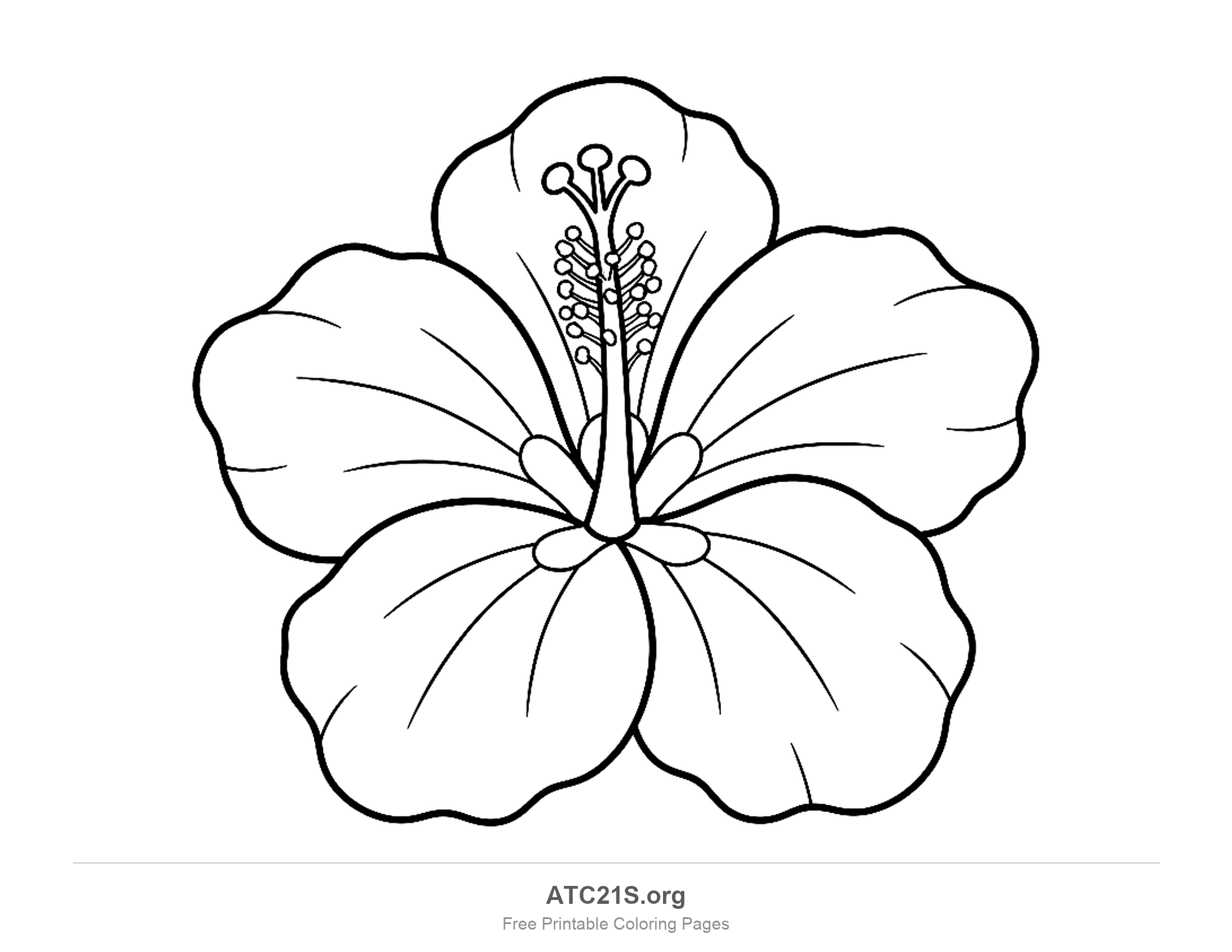
Flower Coloring Page - Hibiscus With Bud And Leaves
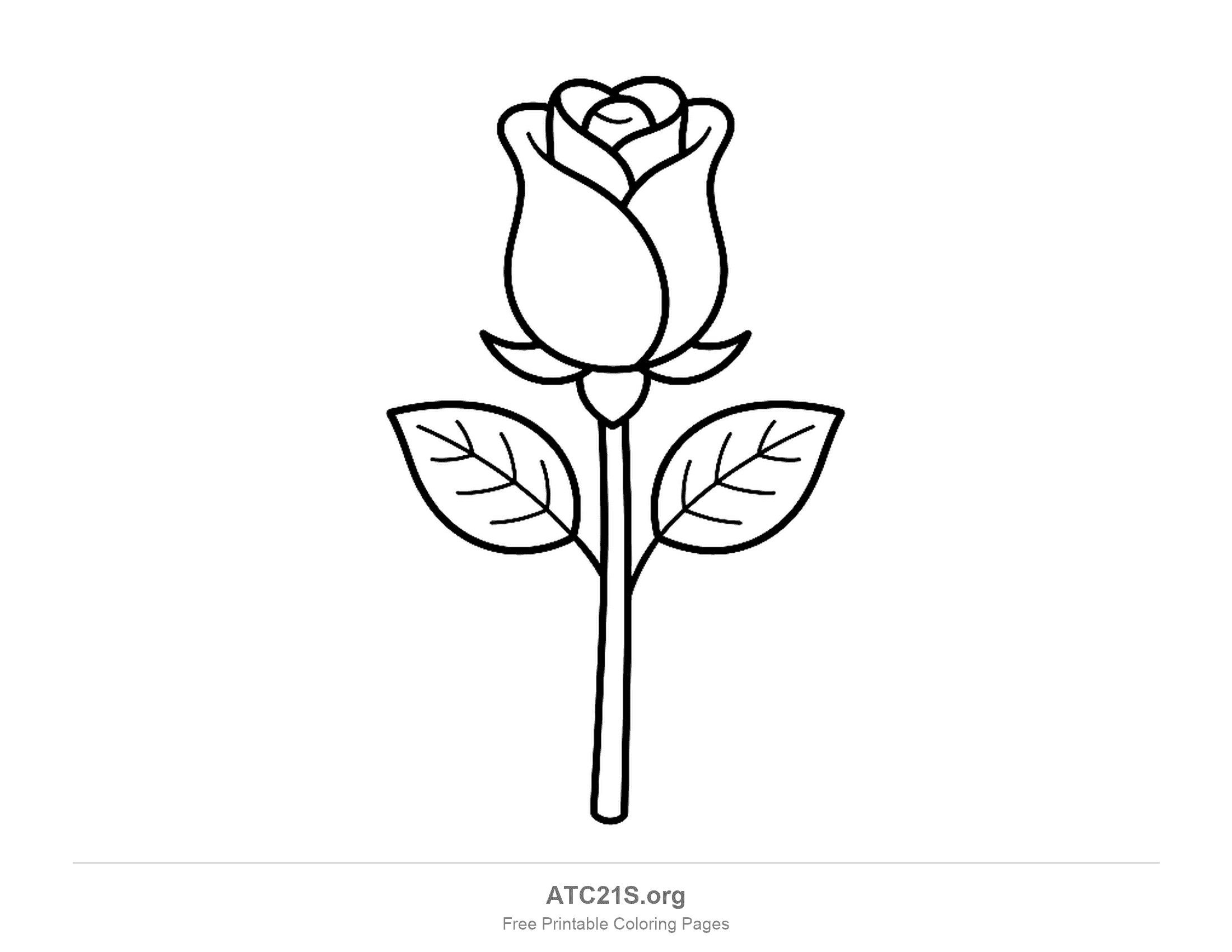
Flower Coloring Page - Layered Garden Rose
Flower Coloring Page - Lotus With Seed Pod
Flower Coloring Page - Detailed Sunflower Seed Head
quick instructions
How to download and print
1. Pick your sheet
Preview any design below and choose the one you like best.
2. Print or download
Print straight from the page, or save the PNG to print later.
3. Color it in
Crayons, colored pencils or markers — plain paper works fine.
Every sheet is sized for landscape US Letter (11" x 8.5") at 200 DPI, so it fills the page without cropping. A4 works too — choose "fit to page" when printing.
while you color…
6 fun facts about the flower
The middle of a sunflower is not one flower but hundreds of tiny ones, and each can grow into a seed.
The name daisy comes from "day's eye", because the flower opens in the morning and closes at night.
Young sunflowers turn to follow the sun across the sky during the day.
Bees cannot see the colour red, but they can see patterns on petals that are invisible to us.
A lotus seed found in an old lake bed in China sprouted after about 1,300 years.
There are more than 25,000 kinds of orchid, making them one of the biggest plant families on Earth.
About the flower coloring page
Flowers are the part of a plant that makes seeds, and they grow almost everywhere people live, from window boxes and school gardens to roadside verges and ponds. Children draw them long before they learn to draw anything else, usually as a circle with petals round it on a straight green stem, which is exactly why a flower page is such an easy one to hand over. This page brings together eight different flowers — a daisy, a tulip, a daffodil, an orchid, a hibiscus, a rose, a lotus and a sunflower — so a child can color one they already know and meet a few they have not seen before.
Real flowers come in nearly every colour: white daisies with yellow middles, red and pink roses, yellow daffodils with a deeper orange trumpet, golden sunflowers with a brown centre. That is a perfectly good way to color these sheets. It is also fine to ignore it. A blue rose, a striped tulip or a rainbow sunflower is just as welcome. The shapes that make each one recognisable are worth pointing out instead: the round centre and ring of petals on the daisy and sunflower, the closed cup of the tulip, the trumpet in the middle of the daffodil, and the spiral of folded petals that makes a rose look like a rose.
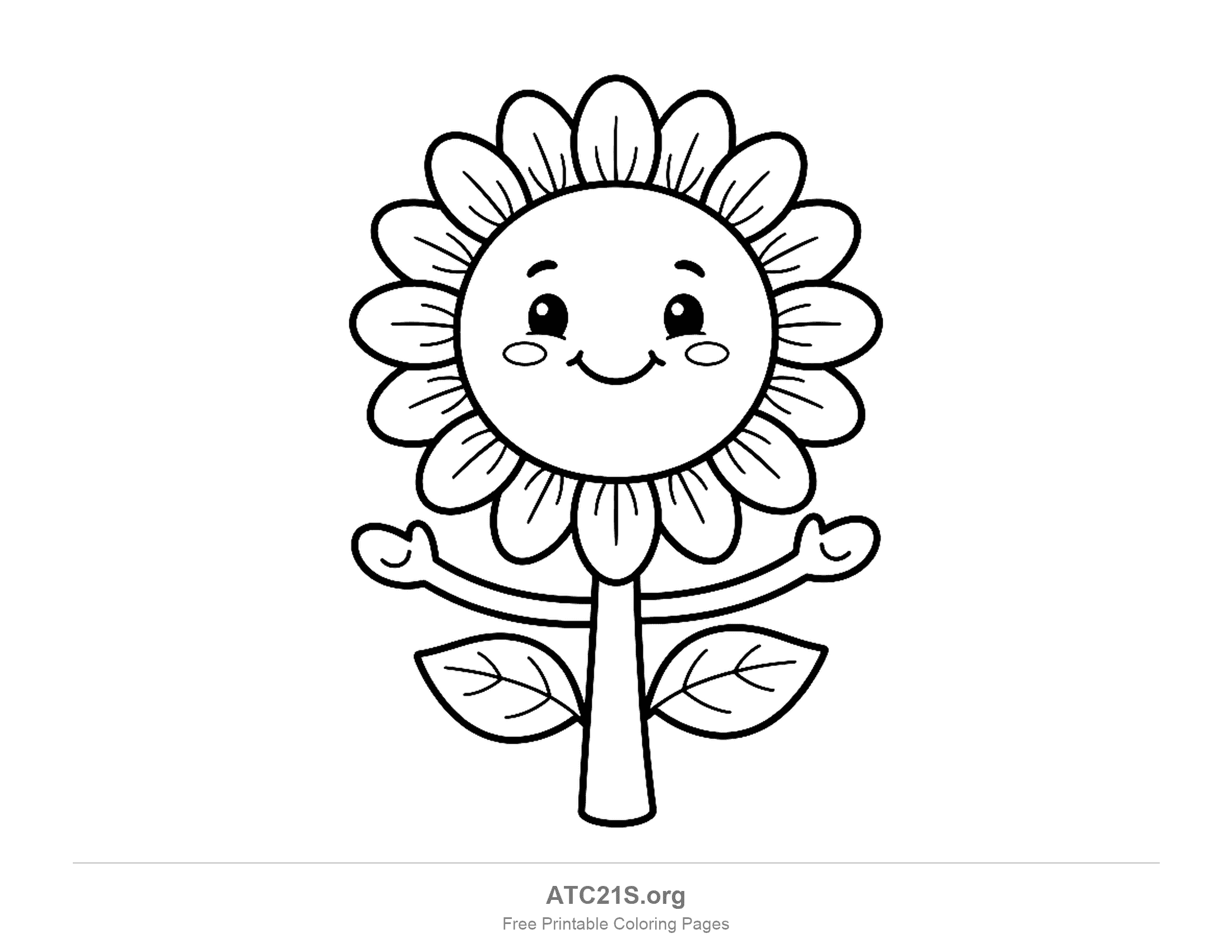
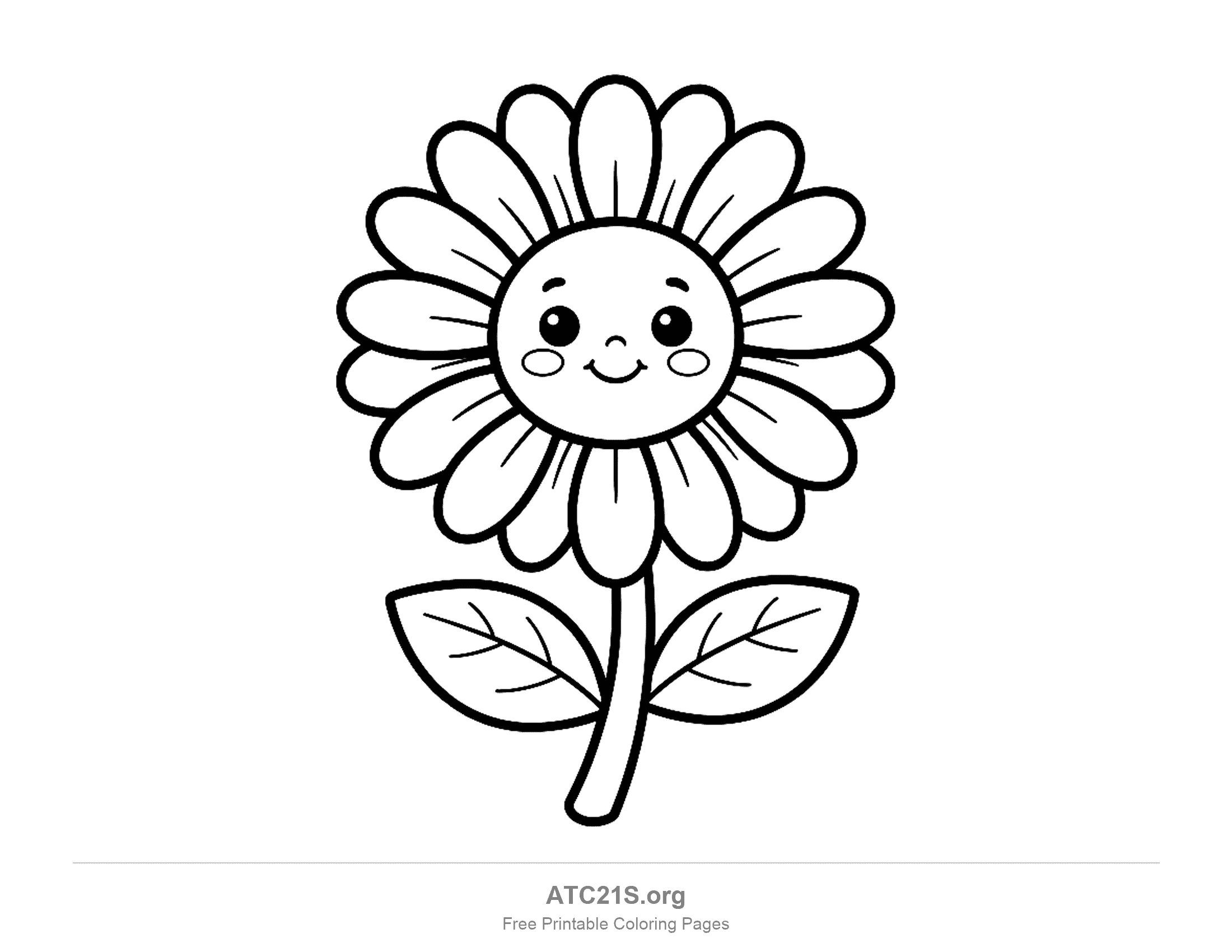
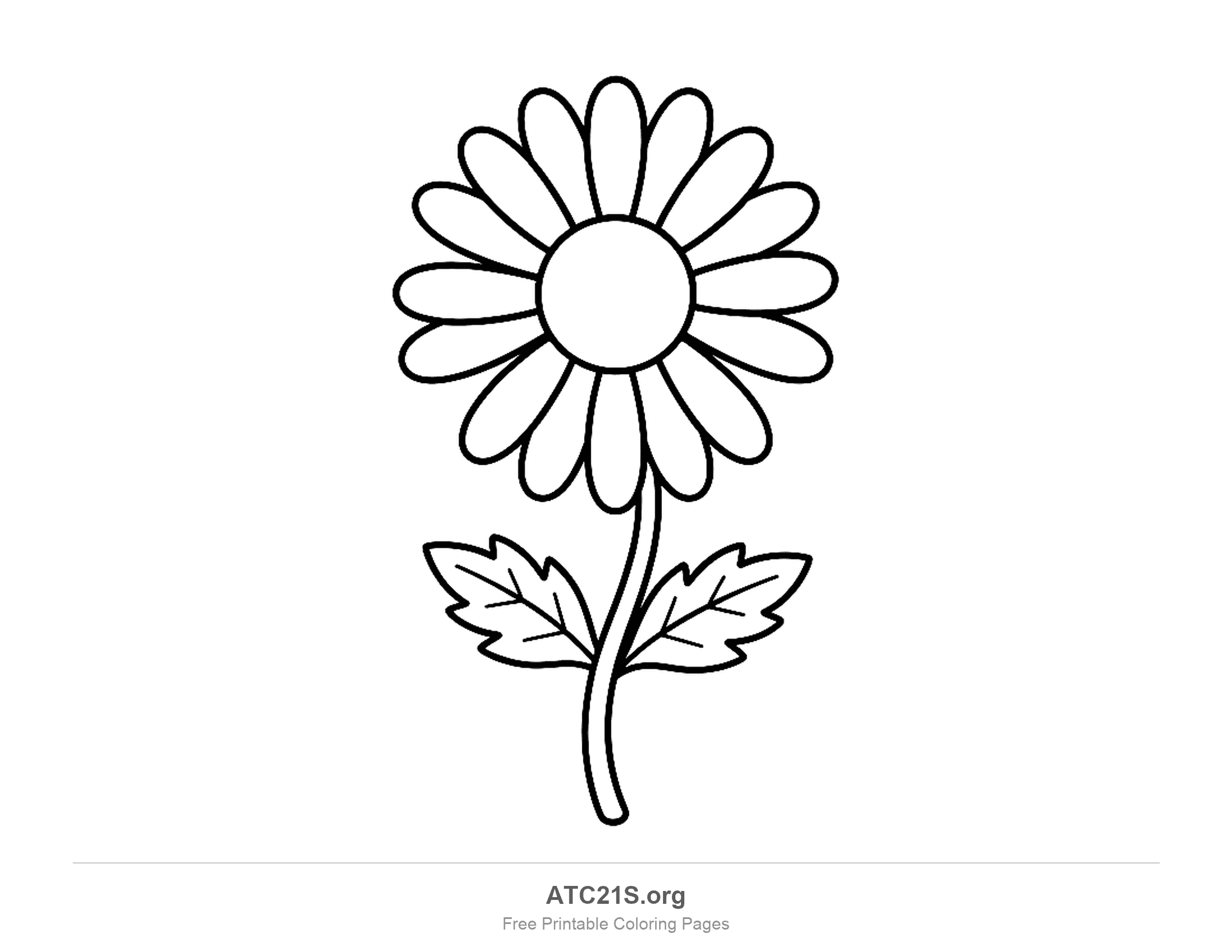
The eight designs get steadily harder. First is a simple daisy with rounded petals, an empty round centre and two leaves, all in thick outlines that suit toddlers still learning to stay inside the lines (the daisy sheets carry on with eight more, from a smiling cartoon daisy to one with long slender petals). Then a tall tulip with a closed cup-shaped flower and two long leaves, made of a few big shapes, and a daffodil leaning to one side with a ruffled trumpet and two grass-like leaves. The orchid comes next, with three wide petals that are easy to fill and a small, fussier middle, plus a round bud on a curling stem. After that the drawings add more to do: a hibiscus with five wavy petals, a long stamen sticking out of the middle, a bud and toothed leaves (the hibiscus coloring pages give it eight sheets of its own, from a simple front-facing bloom to one with ruffled petals); a garden rose built from layer after layer of curled petals (there is a whole page of roses for children who want more); a lotus with rows of pointed petals, a seed pod in the centre and two big round leaves; and finally a sunflower whose middle is a criss-cross grid of tiny dots, for children who like a long, careful page — the sunflower coloring pages have eight more, from a smiling cartoon bloom to a tall plant with six leaves.
The centre of the daisy and the sunflower is the detail worth pausing on. It looks like one big circle, but on a real daisy or sunflower it is hundreds of tiny flowers packed together, and each one can become a seed. The criss-cross pattern on the sunflower sheet is a simple way to show that, and older children can colour the little diamonds one by one. The lotus sheet is a good match for the same conversation, because the flat seed pod in its middle is dotted with holes where the seeds sit.
Every sheet prints on landscape US Letter paper at 200 DPI, so the flower fills the page without being cut off. Plain copier paper is fine for crayons and colored pencils. If you are using markers or paint, slightly thicker card stock stops the colour bleeding through — worth doing on the hibiscus, lotus and sunflower sheets, where the stamens and the seed-head grid put the lines closest together.
In the classroom these pages pair well with a lesson on plant parts (petal, stem, leaf, seed), on spring and growing things, on pollinators, or on the letter F. The printable plants fill in the rest of that lesson, with a seedling just sprouting in a pot and a whole sunflower standing on its stem and leaves. Print the daisy and the sunflower side by side and let children spot that they are built the same way, or hand out all eight and ask which ones they have seen growing near home. The daisy is finished in a few minutes; the sunflower can fill a quiet afternoon. Many trees flower too, and a page of trees puts a blossom tree next to an apple tree so children can see the flowers turn into fruit. When one flower is not enough, the bouquet sheets bunch several together in a vase, a basket or a heart, ready to color for a birthday card. A bee coloring page and the butterfly sheets show the insects that visit these flowers, a hummingbird is the bird that drinks from the trumpet-shaped ones, and the color-by-number math generator makes a flower-themed practice sheet. The rest of the trees, skies and landscapes are in the nature coloring pages.
keep coloring