NaturePlants & Trees8 designsFree to print
print, color, learn
Free Plant Coloring Pages
Eight free printable plant coloring pages, from a little seedling sprouting in a flowerpot in thick outlines for little hands to a fern spilling out of a hanging basket for older kids. Download the PNG or print straight from this page.
share:
pick a favourite
8 Plant designs to color
Tap any sheet for a closer look, then download or print it.
Plant Coloring Page - Rosette Succulent In Pot
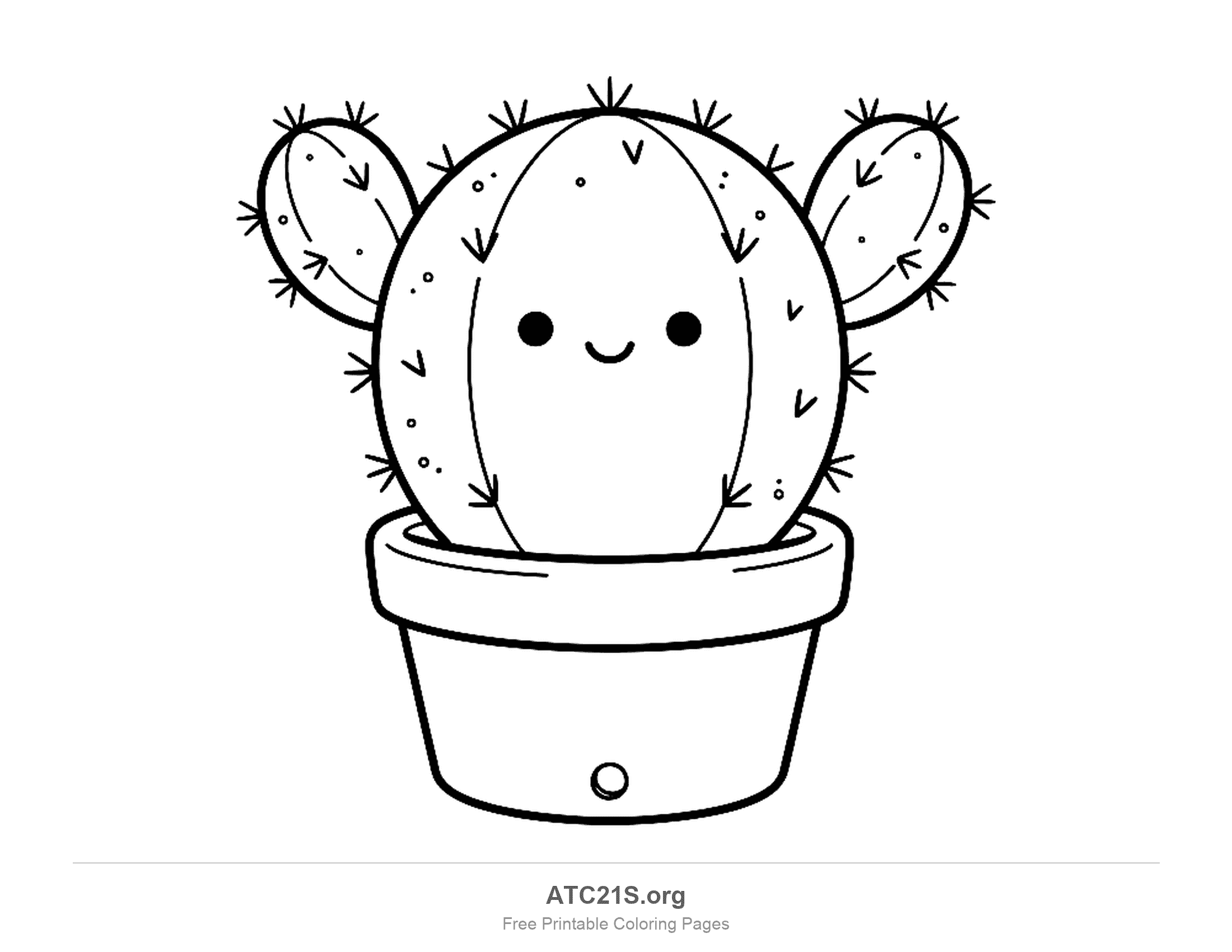
Plant Coloring Page - Smiling Cactus With Flowers
Plant Coloring Page - Sunflower Plant With Leaves
Plant Coloring Page - Monstera With Split Leaves
Plant Coloring Page - Flowering Plant Smiling Pot
Plant Coloring Page - Bonsai Twisting Trunk
Plant Coloring Page - Detailed Hanging Fern Basket
quick instructions
How to download and print
1. Pick your sheet
Preview any design below and choose the one you like best.
2. Print or download
Print straight from the page, or save the PNG to print later.
3. Color it in
Crayons, colored pencils or markers — plain paper works fine.
Every sheet is sized for landscape US Letter (11" x 8.5") at 200 DPI, so it fills the page without cropping. A4 works too — choose "fit to page" when printing.
while you color…
6 fun facts about the plant
A seed holds a tiny baby plant and a packed lunch of food to keep it going until its first leaves can make food from sunlight.
A sprouting seed always sends its root down and its shoot up, even if it was planted upside down.
Cactus spines are a kind of leaf, and the thick green stem does the job of making food instead.
A saguaro cactus can grow more than 12 metres (40 feet) tall and live for over 150 years.
Ferns never have flowers or seeds. They spread by tiny spores, which often show as brown dots under their fronds.
Young monstera leaves start out whole, and the holes and splits only appear as the plant grows older.
About the plant coloring page
Plants are everywhere children look: a pot on the kitchen windowsill, cress growing on wet cotton wool at school, a cactus on a teacher's desk, weeds pushing up between paving stones. They are also the one living thing most children have grown themselves, from a bean in a jar or a sunflower seed in a paper cup, so a plant page comes with a story attached. This page has eight of them — a seedling, a succulent, a cactus, a sunflower, a monstera, a flowering pot plant, a bonsai and a hanging fern — so a child can color the one sitting at home and meet a few they have not seen before.
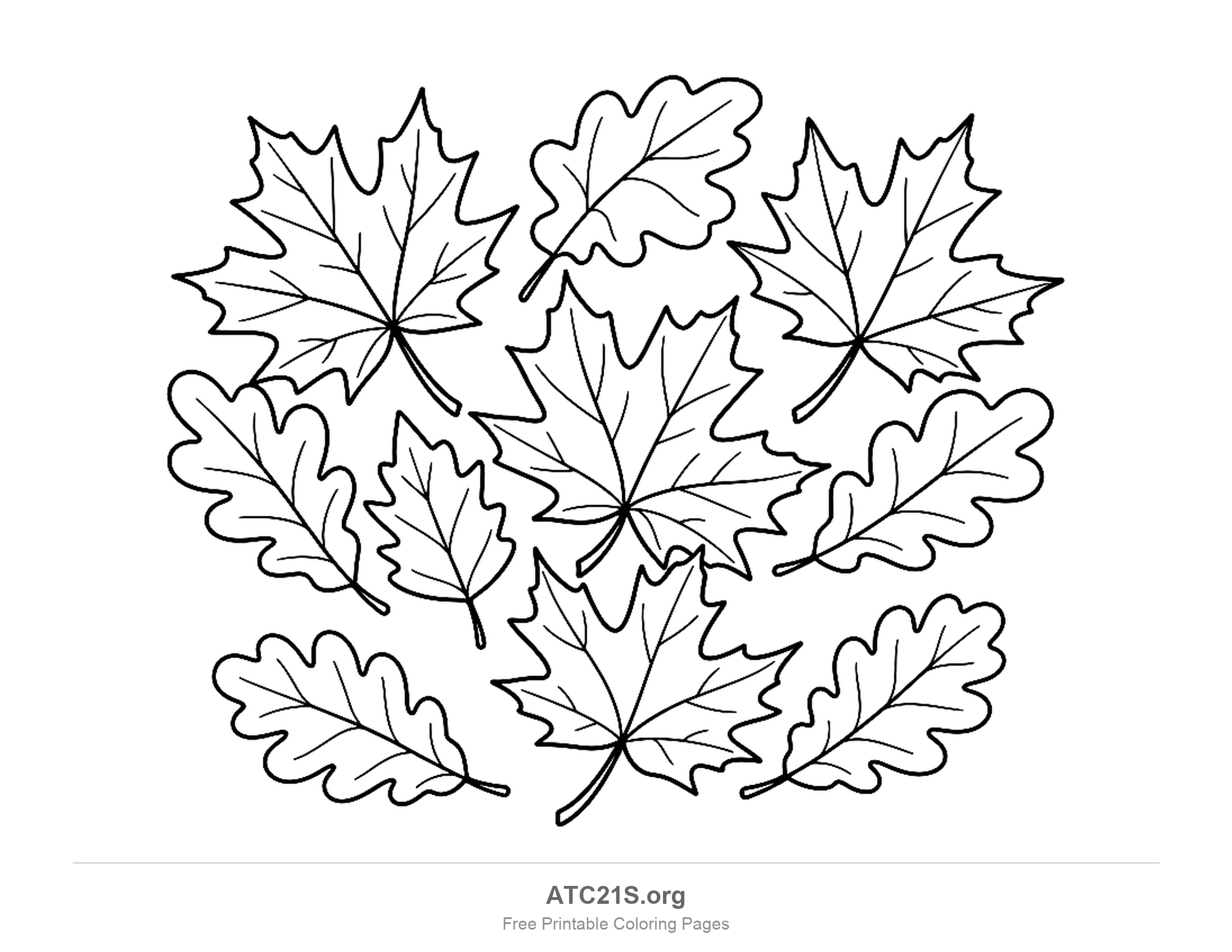
Most real plants are green, because the leaves are full of a green substance called chlorophyll that lets them catch sunlight. The greens run from the pale blue-green of a succulent to the deep glossy green of a monstera, with brown or grey for soil, stems and bark, terracotta orange for a clay pot, and yellow, pink or red wherever a flower opens. That is a perfectly good way to color these sheets. It is also fine to ignore it. A purple cactus, a striped pot or a rainbow fern is just as welcome, and the pots in particular are a blank space for patterns. The shapes worth pointing out are the parts nearly every plant shares: roots hidden in the soil, a stem holding the plant up, leaves spreading out to catch the light and, on some plants, flowers that make the seeds. For a closer look at the leaves alone, the printable leaves run from maple and oak to monstera, fern and ivy.
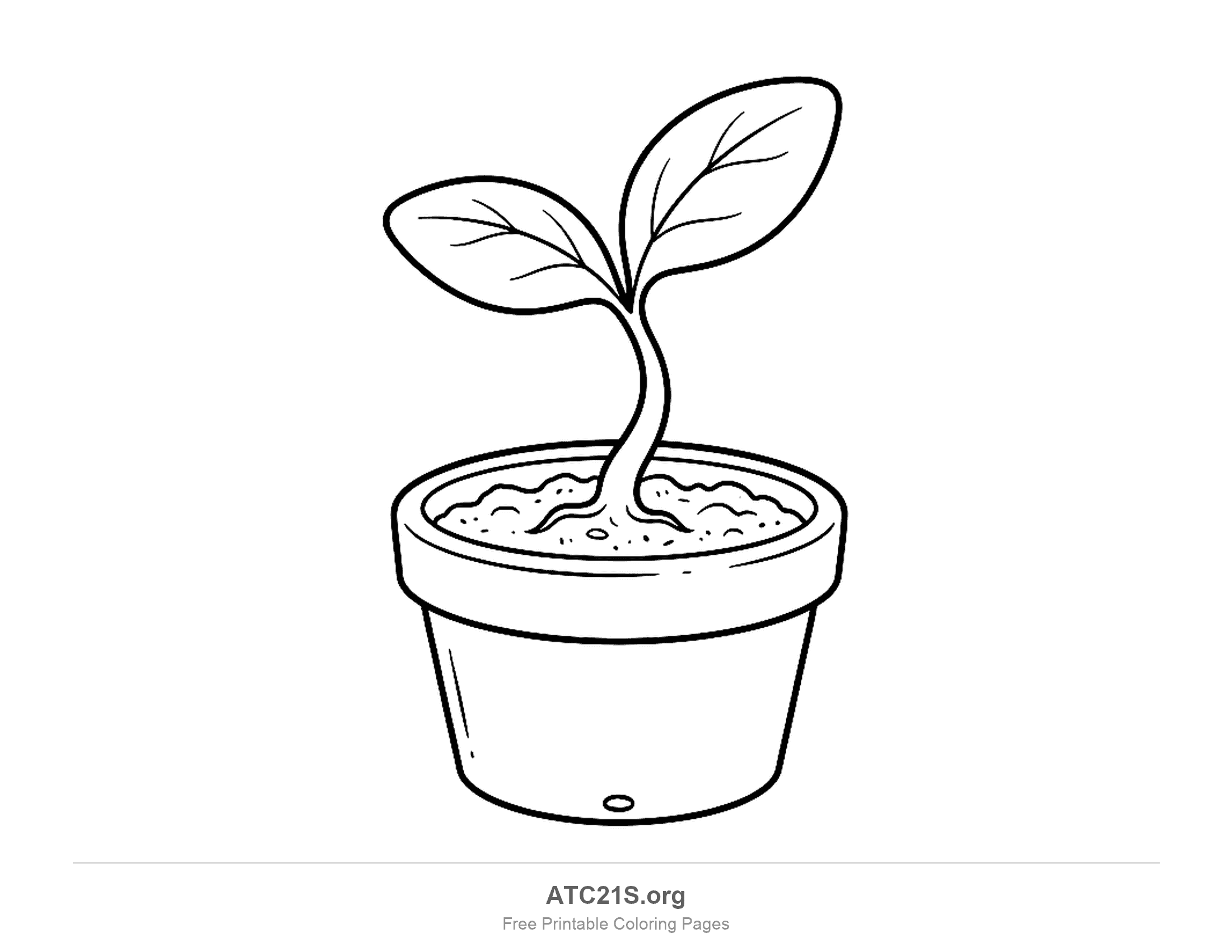
The eight designs get steadily harder. First is a seedling: one curving stem with two veined leaves sprouting from crumbly soil in a round flowerpot, with a little drainage hole near the bottom, all in the thickest outlines of the set for toddlers still learning to stay inside the lines. Then a succulent whose plump, rounded leaves are layered into a rosette like an open flower, on a short stem in a pot with a wide rim. The third sheet is a tall smiling cactus with two arms curving upward, stripes running down its body, tiny spines along every edge and a crown of little flowers on top. The fourth shows a whole sunflower plant: a big bloom with two rings of pointed petals and a dotted, criss-crossed centre, a straight stem and two broad leaves, standing on a small mound of earth. After that the drawings add more to do: a monstera with seven big heart-shaped leaves cut with deep splits and holes, on long stalks rising from a plain pot of soil; a leafy pot plant with veined leaves and three daisy-like flowers with dotted middles, growing from a cartoon pot with a wavy band and a smiling face; a bonsai with a twisting, swirl-patterned trunk and puffy cloud-shaped clumps of leaves, planted in a shallow footed tray with pebbles on the soil; and finally a fern spilling out of a woven basket with a scalloped rim, hung from twisted ropes on a hook, its long fronds trailing down on every side and each one lined with dozens of small leaflets, for children who like a long, careful page.
The seedling and the sunflower are the pair worth pausing on, because together they show how a seed grows. A seed holds a tiny baby plant and a store of food. Once it is warm and wet it sends a root down into the soil and a shoot up towards the light, and the first pair of leaves that open, like the two on the first sheet, are often seed leaves that were packed inside the seed. Real leaves follow, the stem grows taller, and in time a flower opens and makes new seeds — which is exactly what the middle of the sunflower sheet is full of. Print the two side by side and let children draw the missing steps between them, then put the sunflower coloring pages next to them for more of the finished plant. The cactus and the fern make a second good pair: the cactus stores water in its thick, ribbed stem and its spines are really leaves, which suits a hot, dry desert, while the fern loves shade and damp and does not make flowers or seeds at all, spreading instead by tiny spores under its fronds. For a whole desert's worth, the cactus coloring pages add a saguaro, a prickly pear and a barrel cactus in bloom.
Every sheet prints on landscape US Letter paper at 200 DPI, so the plant fills the page without being cut off. Plain copier paper is fine for crayons and colored pencils. If you are using markers or paint, slightly thicker card stock stops the colour bleeding through — worth doing on the flowering pot plant, bonsai and hanging fern sheets, where the leaf veins, the swirling bark and the rows of tiny leaflets put the lines closest together.
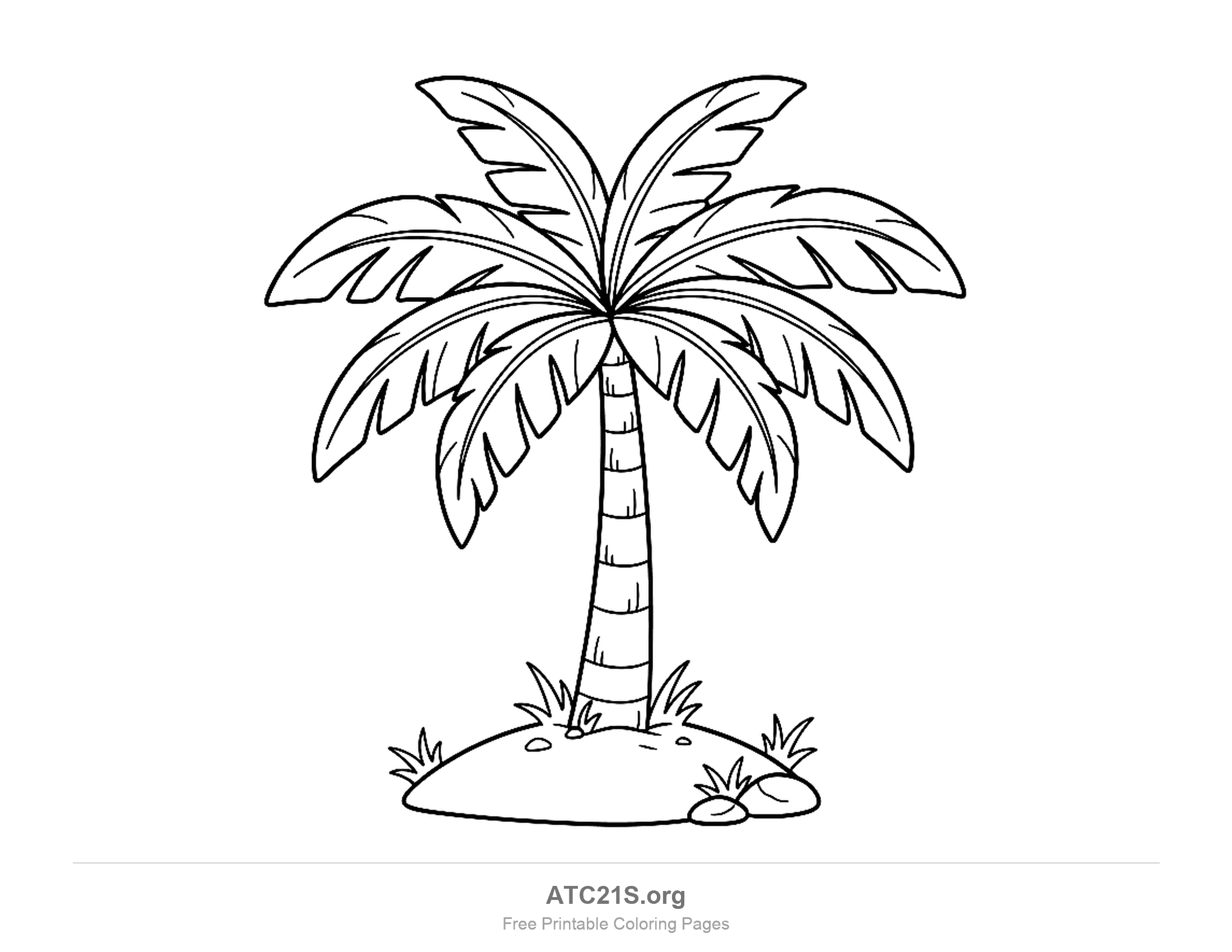
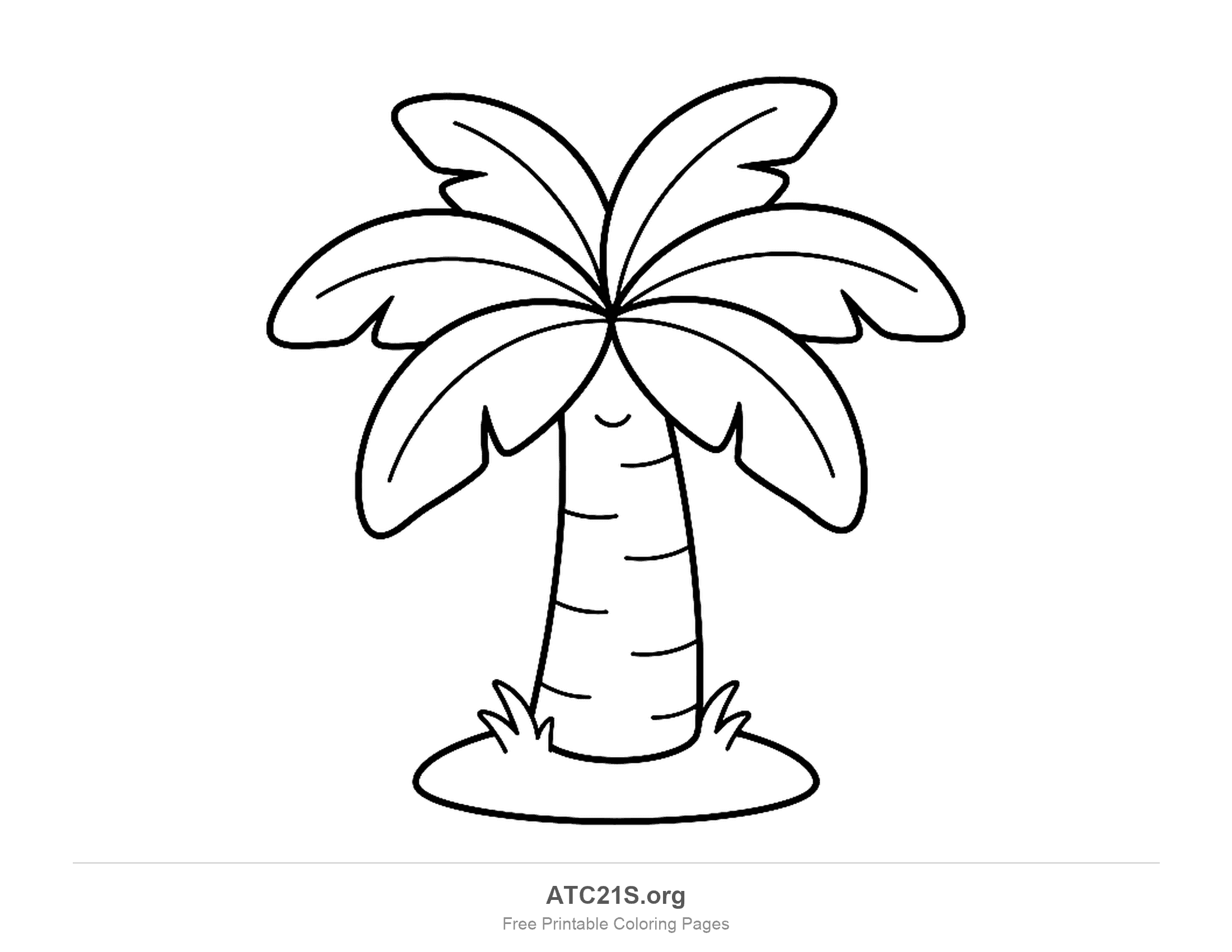
In the classroom these pages pair well with a lesson on the parts of a plant (root, stem, leaf, flower, seed), on what plants need to grow (light, water, air and warmth), on deserts and rainforests, on looking after a class plant, or on the letter P. Plant real seeds and color the seedling while you wait for them to come up, or hand out the succulent for a quick page and save the fern for a quiet afternoon. The bonsai is a real tree kept small by careful trimming, so it sits nicely beside the full-sized oaks, willows and apple trees on the tree coloring pages, and the palm tree sheets are another plant children know from holidays. The flower coloring pages zoom in on the part of the plant that makes the seeds, from a daisy to a lotus, and a bee coloring page shows the insect that carries pollen from flower to flower so those seeds can form. To see plants like these growing together, the garden scenes put succulents, herbs and hanging baskets on a potting bench and fill a rockery with cacti. The color-by-number math generator makes a practice sheet to go with it, and the flowers, trees, skies and landscapes are in the rest of the nature coloring pages.