BirdsPet8 designsFree to print
print, color, learn
Free Parrot Coloring Pages
Eight free printable parrot coloring pages, from a round perched bird with thick outlines to a singing parrot with every body feather drawn in. Download the PNG or print straight from this page.
share:
pick a favourite
8 Parrot designs to color
Tap any sheet for a closer look, then download or print it.
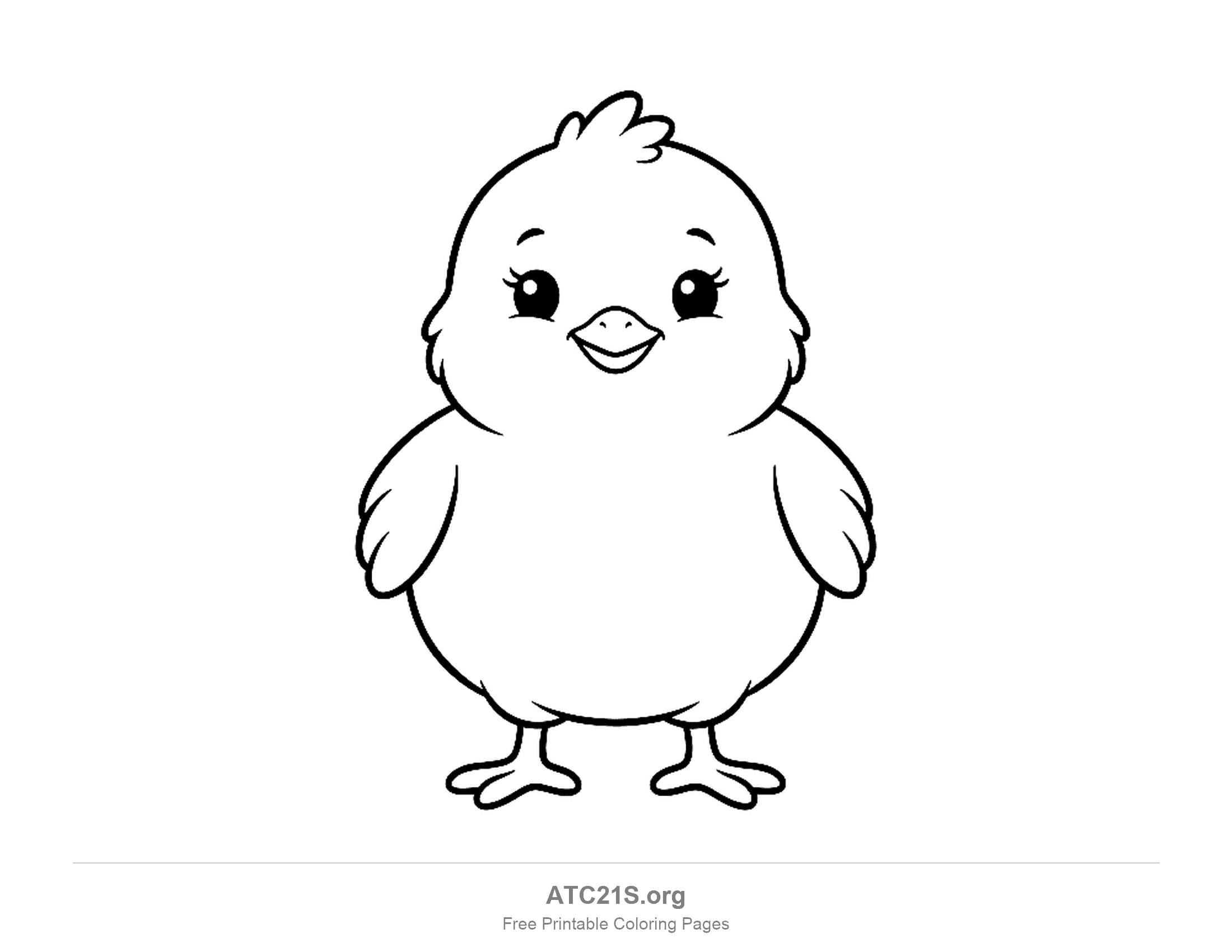
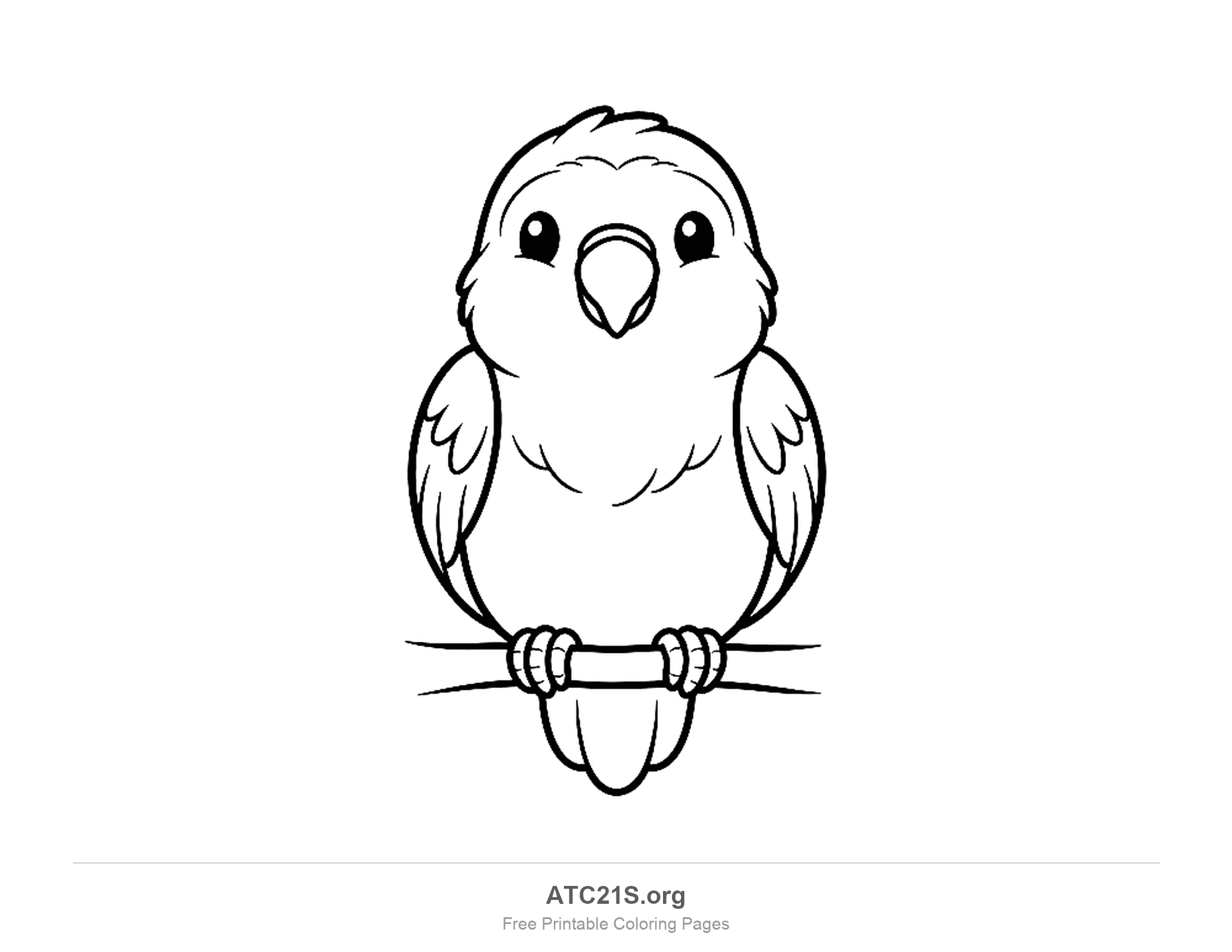
Parrot Coloring Page - Cute Chubby Front
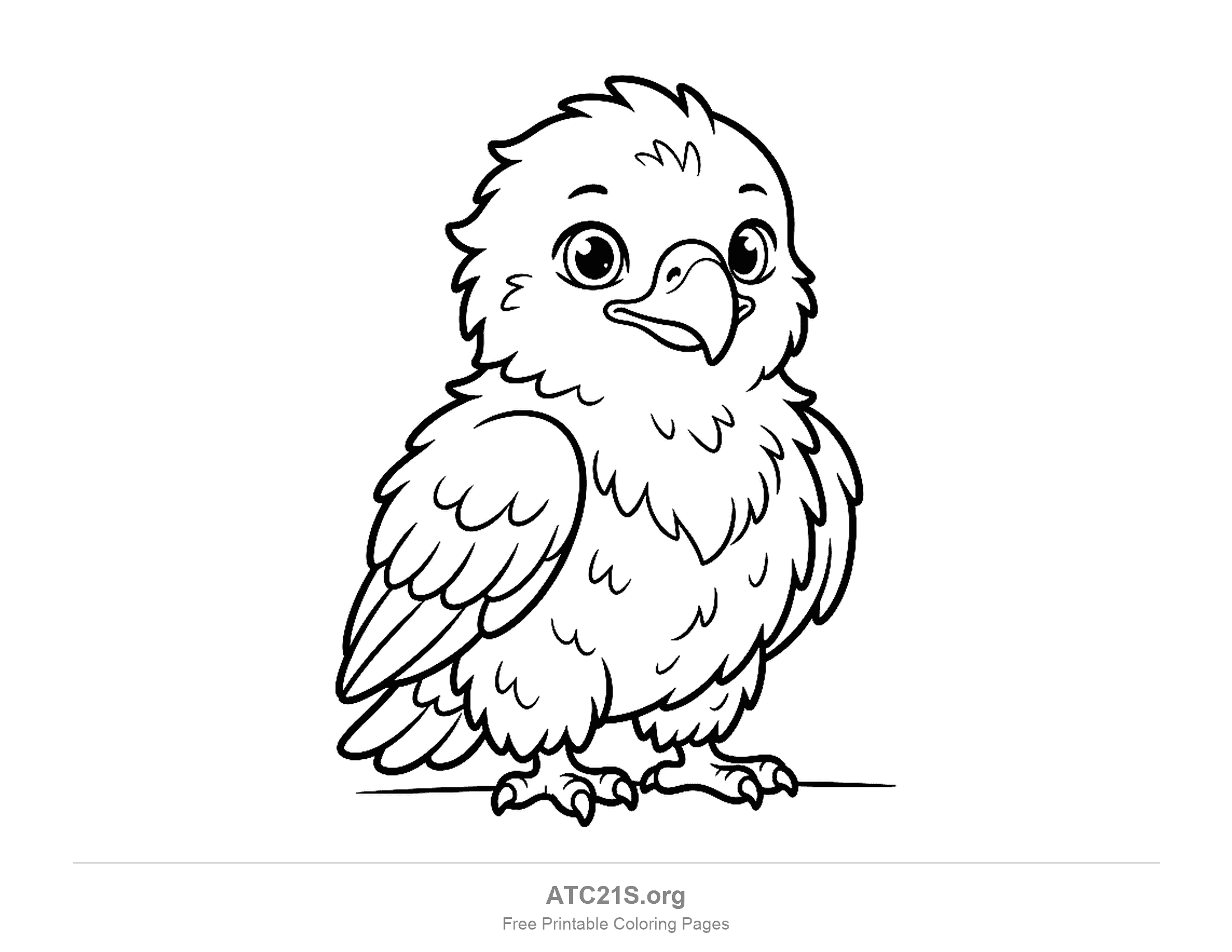
Parrot Coloring Page - Cute Crested Perched
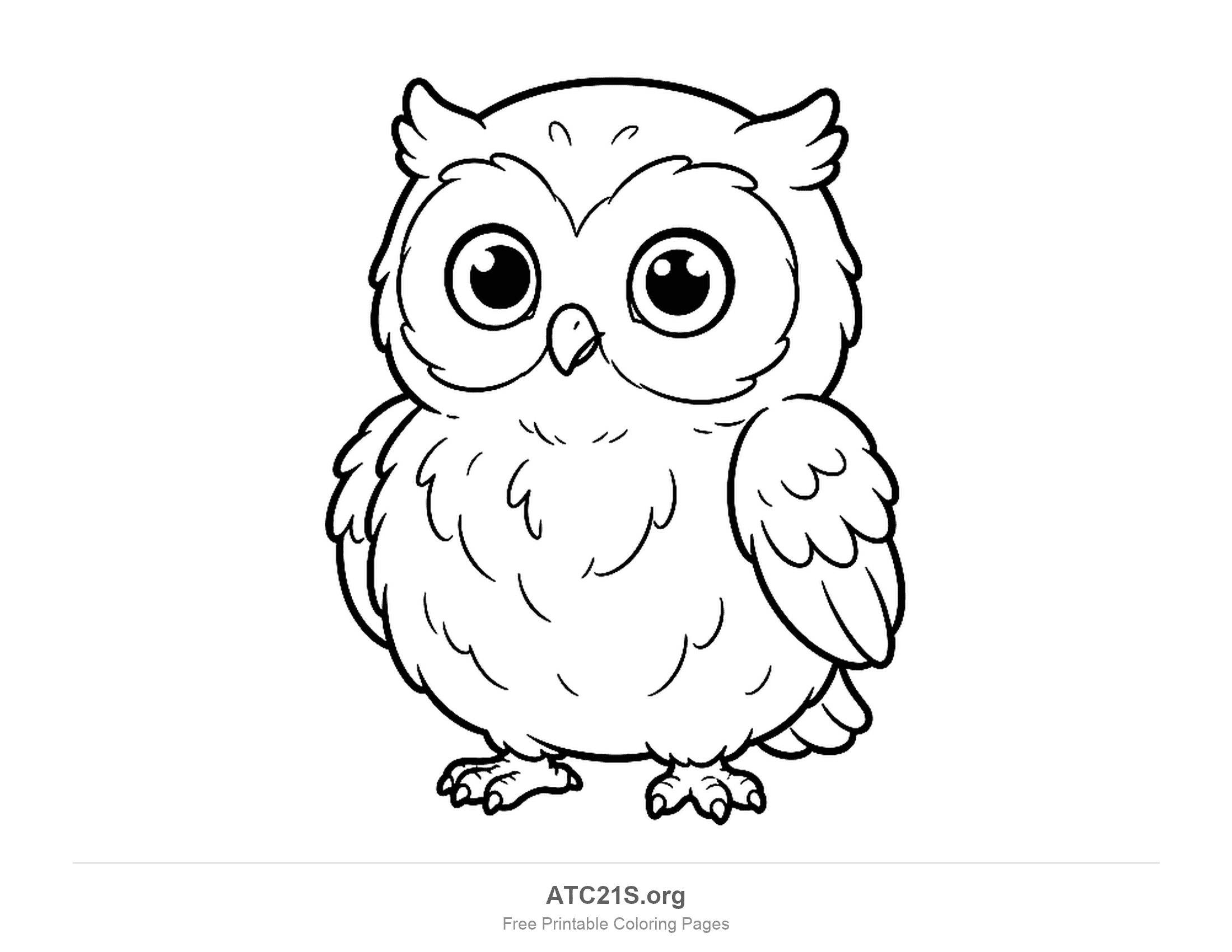
Parrot Coloring Page - Cute Waving Wing
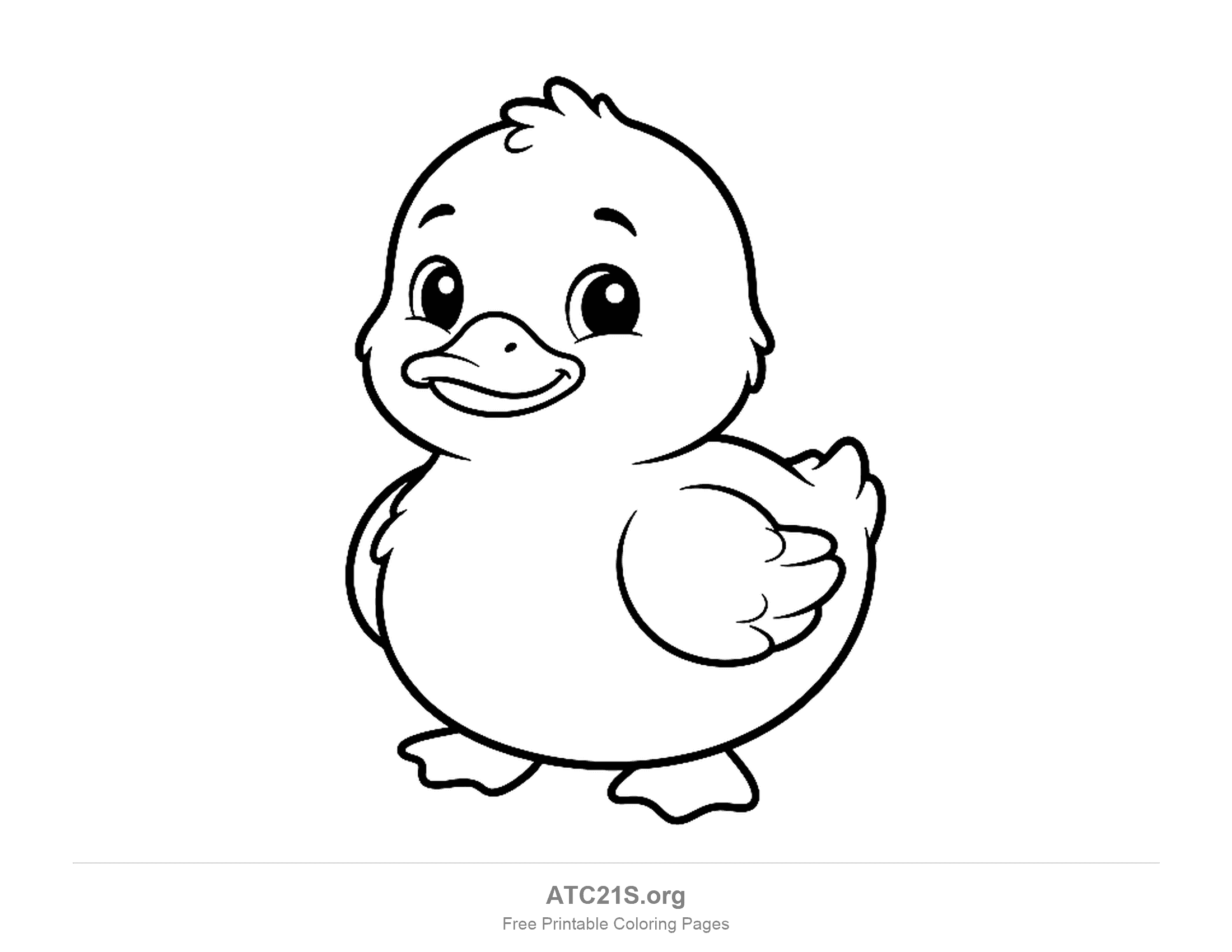
Parrot Coloring Page - Raised Crest Perched
Parrot Coloring Page - Preening On Branch
Parrot Coloring Page - Soaring Wings Spread
Parrot Coloring Page - Detailed Singing Feathers
quick instructions
How to download and print
1. Pick your sheet
Preview any design below and choose the one you like best.
2. Print or download
Print straight from the page, or save the PNG to print later.
3. Color it in
Crayons, colored pencils or markers — plain paper works fine.
Every sheet is sized for landscape US Letter (11" x 8.5") at 200 DPI, so it fills the page without cropping. A4 works too — choose "fit to page" when printing.
while you color…
6 fun facts about the parrot
There are about 400 kinds of parrots, from tiny lovebirds you can hold in one hand to macaws almost a metre long.
Parrots have four toes on each foot — two pointing forward and two back — so they can grip a branch the way you grip a pencil.
An African grey parrot can learn hundreds of words and use them to ask for things, not only to copy sounds.
A parrot's beak never stops growing, which is why they chew wood, nuts and toys to keep it the right length.
Macaws can crack a Brazil nut with their beak. That bite is stronger than a big dog's.
Some parrots live 50 years or more, which is longer than most other pet birds and as long as many people.
About the parrot coloring page
Parrots are colourful, clever birds that live in tropical forests, woodlands and grasslands, mostly in South America, Africa, Australia and Southeast Asia. Children know them as the bird that can copy human speech, the one with a big hooked beak, and the one that uses its feet like hands to hold food. The eight sheets here mix pet-shop favourites — a round lovebird, a chubby budgie, a crested cockatiel, a cockatoo, a macaw in flight and an African grey — so children can see how varied parrots really are.
Colour is the whole point of a parrot page. A scarlet macaw is red, yellow and blue; a budgie is often green and yellow with black scallops on the wings; a cockatiel is grey with a yellow face and orange cheeks; an African grey is soft grey with a bright red tail. There is no single "right" parrot colour, so children can copy a real species or invent a rainbow bird. Point out the hooked beak, which is usually grey, black or pale horn, and the feet, which stay grey or tan on almost every parrot.
The eight designs run from easiest to hardest. The round perched parrot comes first — a tiny front-facing bird with huge eyes, a big empty body and thick outlines, right for toddlers. Then a chubby front-facing bird with cheek spots, still simple, and a crested parrot perched in side view with a long tail. The smiling parrot waving one wing is a good middle step. After that the detail climbs: a cockatoo looking sideways with a tall raised crest, a parrot preening on a branch with layered wing feathers, a macaw soaring with both wings fully spread, and finally a singing parrot whose whole body is covered in overlapping feathers for children who like a long, careful project.
Wings and crests are where the later pages get demanding, and they are also where the best work happens. Suggest that children colour the long outer flight feathers a shade darker than the short ones near the body; the wing immediately looks three-dimensional. On the crested sheets, a brighter colour on the crest than on the body makes even a simple page look finished.
Every sheet prints on landscape US Letter paper at 200 DPI, so the parrot fills the page without being cut off. Plain copier paper is fine for crayons and colored pencils. Use slightly thicker card stock for markers or paint on the last two designs, where the narrow gaps between flight feathers and body feathers can bleed shut on thin paper.
In the classroom these pages pair well with a unit on birds, on tropical forests, on pets, on the letter P, or on how beaks and feet are tools. Laying the round lovebird next to the soaring macaw is a simple way to show that parrots come in many sizes. The waving parrot makes a cheerful display; the singing sheet can fill a whole quiet afternoon. For more bright birds, the peacock coloring pages and hummingbird pages take the same crayons, and the rest of the collection has a dozen more species. Australia's rainbow lorikeet is a parrot named for its bright blue, green, orange and yellow feathers, so the printable rainbows make a colourful partner sheet. Print a few different designs and let each child pick the one that matches their patience that day.