BirdsMixed8 designsFree to print
print, color, learn
Free Bird Coloring Pages
Eight free printable bird coloring pages covering eight different kinds, from a chunky standing chick for little hands to a peacock with a fully fanned train for older kids. Download the PNG or print straight from this page.
share:
pick a favourite
8 Bird designs to color
Tap any sheet for a closer look, then download or print it.
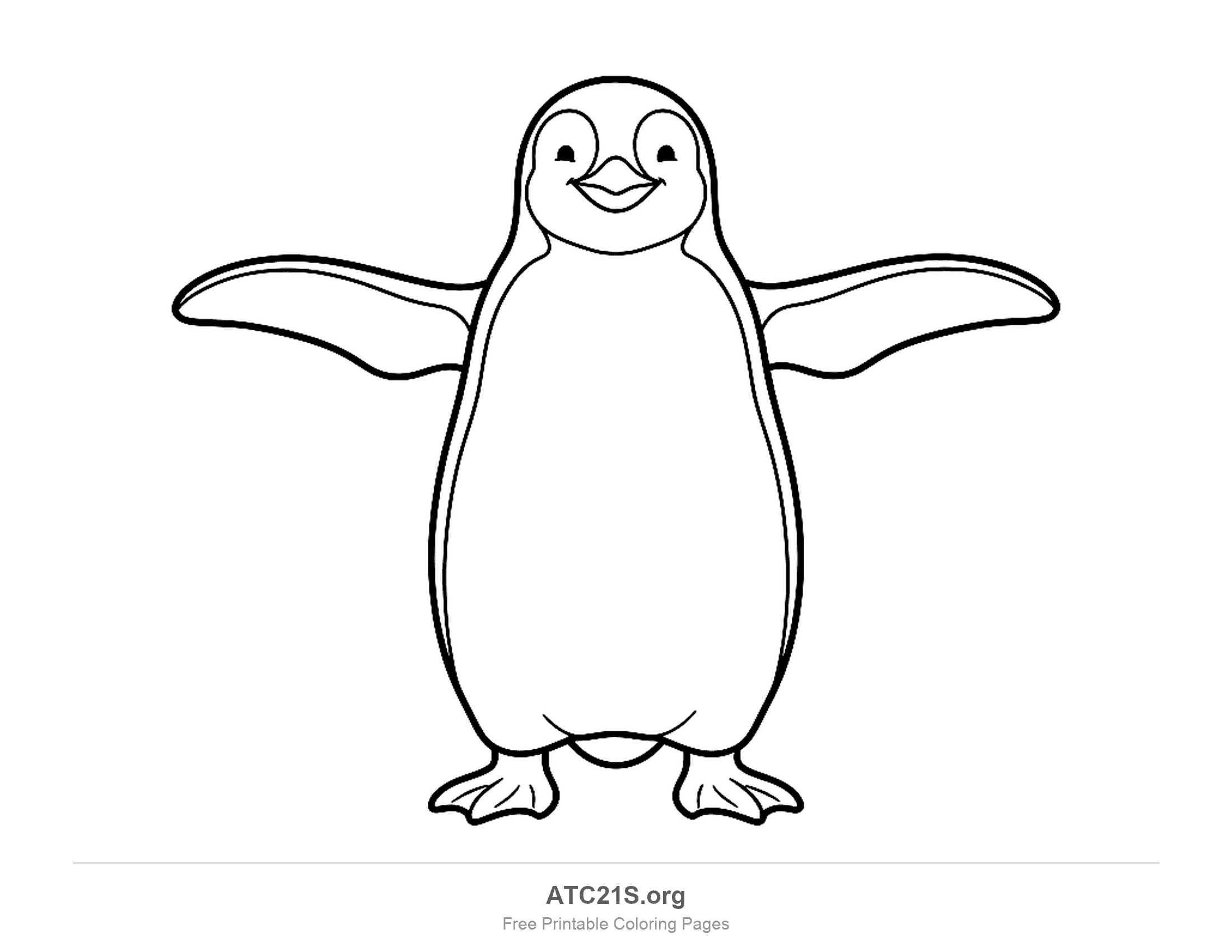
Bird Coloring Page - Cute Waddling Penguin
Bird Coloring Page - Toucan Perched on a Branch
Bird Coloring Page - Flamingo on One Leg
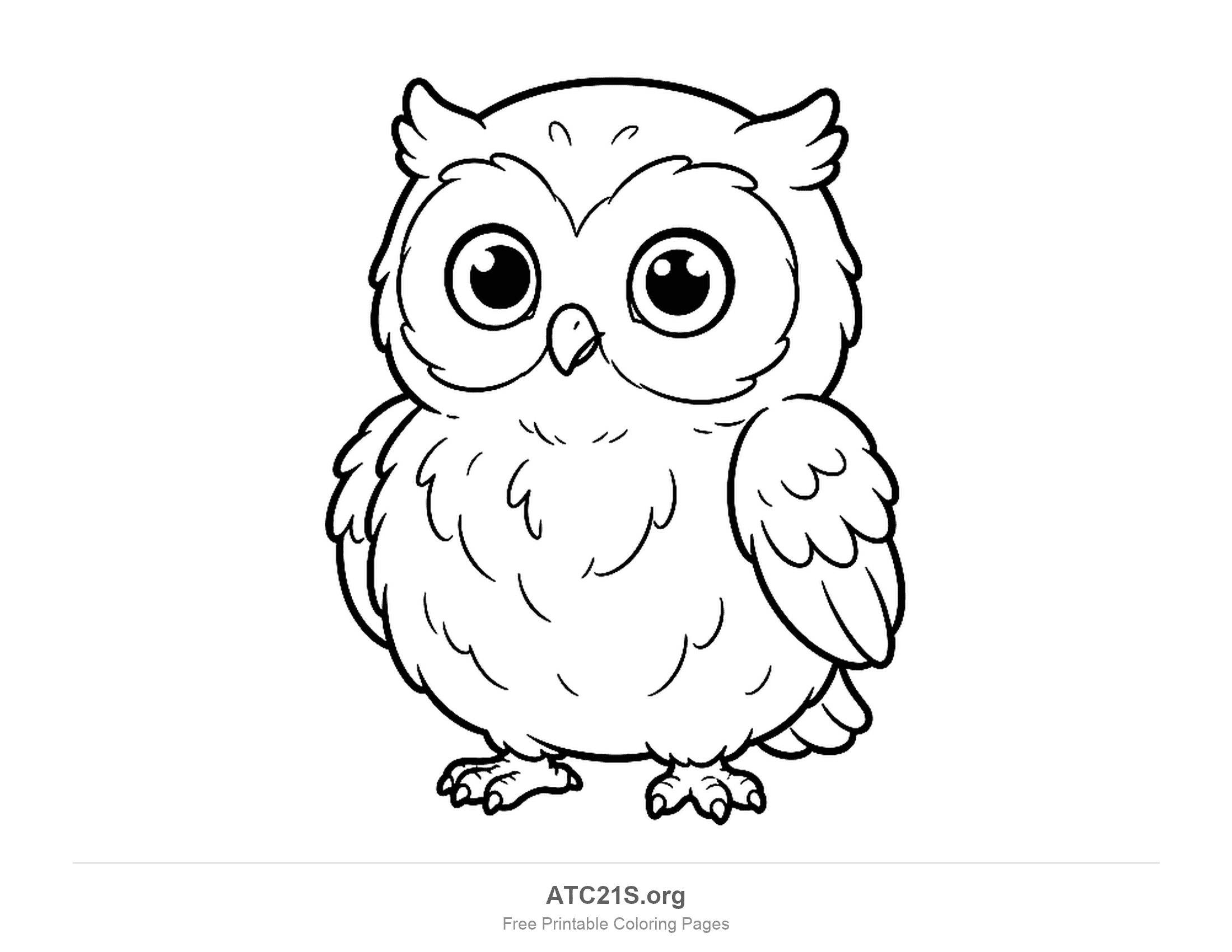
Bird Coloring Page - Wide-Eyed Owl Perched
Bird Coloring Page - Hovering Hummingbird
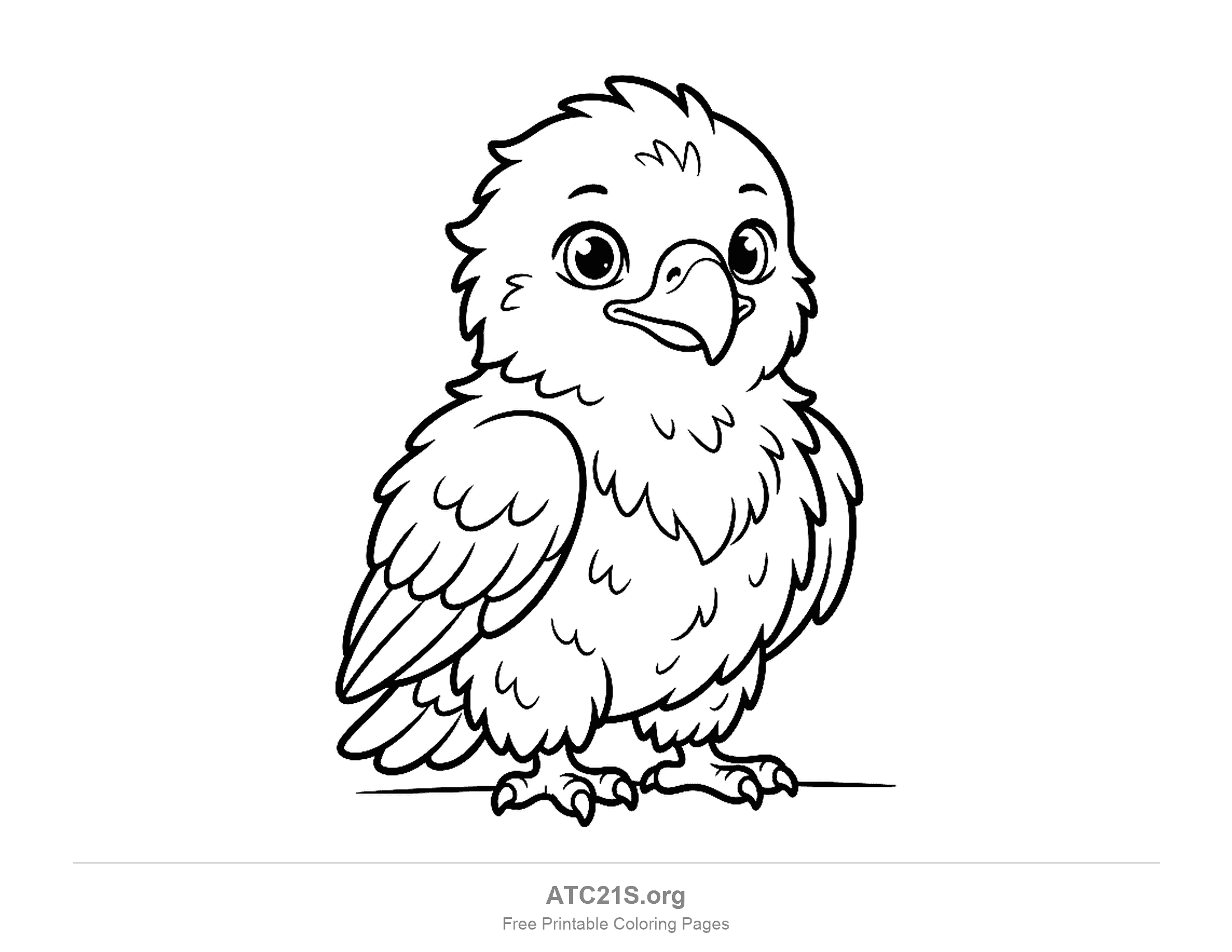
Bird Coloring Page - Soaring Eagle
Bird Coloring Page - Detailed Peacock Display
quick instructions
How to download and print
1. Pick your sheet
Preview any design below and choose the one you like best.
2. Print or download
Print straight from the page, or save the PNG to print later.
3. Color it in
Crayons, colored pencils or markers — plain paper works fine.
Every sheet is sized for landscape US Letter (11" x 8.5") at 200 DPI, so it fills the page without cropping. A4 works too — choose "fit to page" when printing.
while you color…
6 fun facts about the bird
There are more than 10,000 kinds of birds in the world, from tiny hummingbirds to ostriches taller than a grown-up.
Hummingbirds are the only birds that can fly backwards, and their wings beat about 50 times a second.
An owl can turn its head almost all the way around — about 270 degrees — because its eyes cannot move in their sockets.
Flamingos are not born pink. They turn pink from the shrimp and algae they eat.
Penguins are birds that cannot fly in the air, but they 'fly' underwater with their flippers.
A peacock's long tail is called a train. The 'eyes' on it are for showing off to peahens, not for seeing.
About the bird coloring page
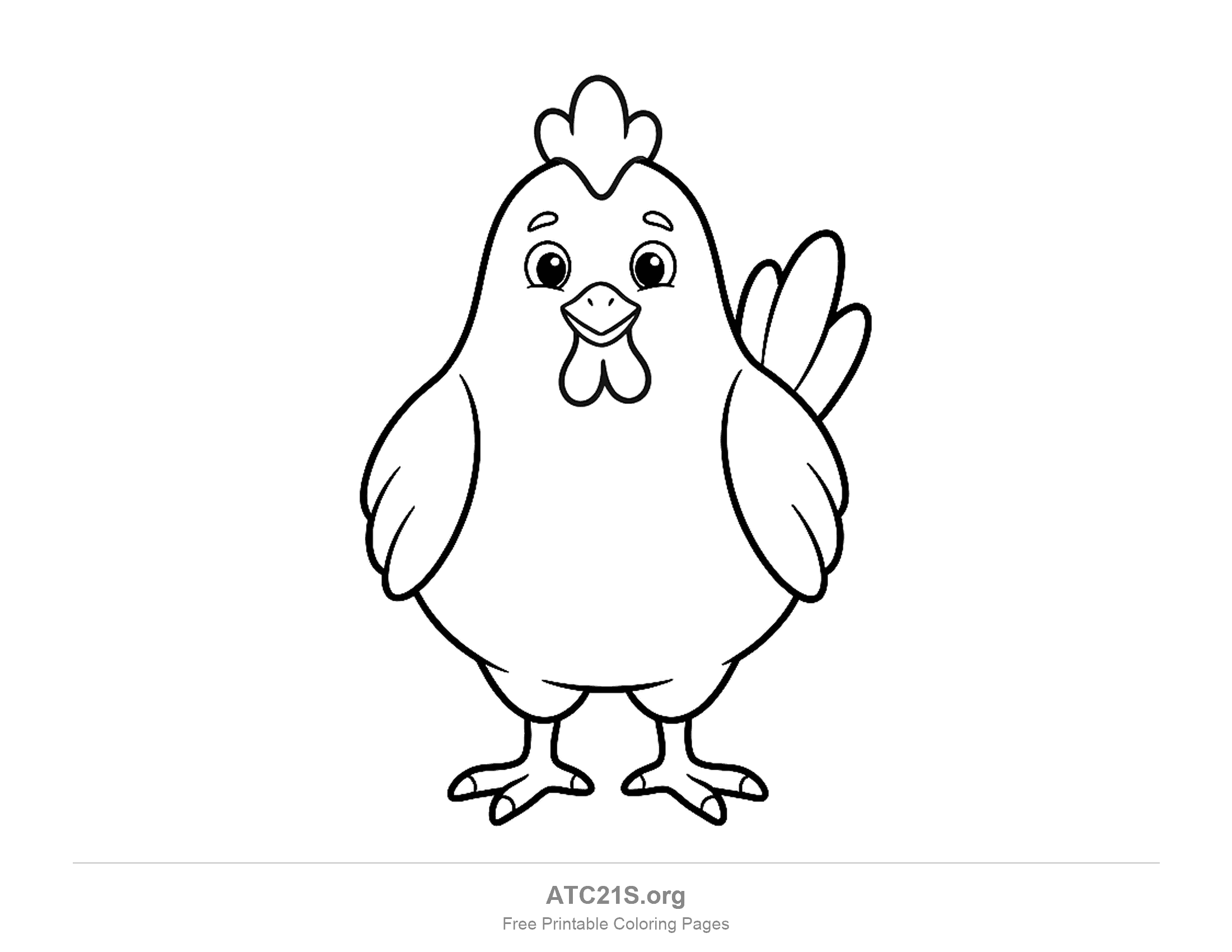
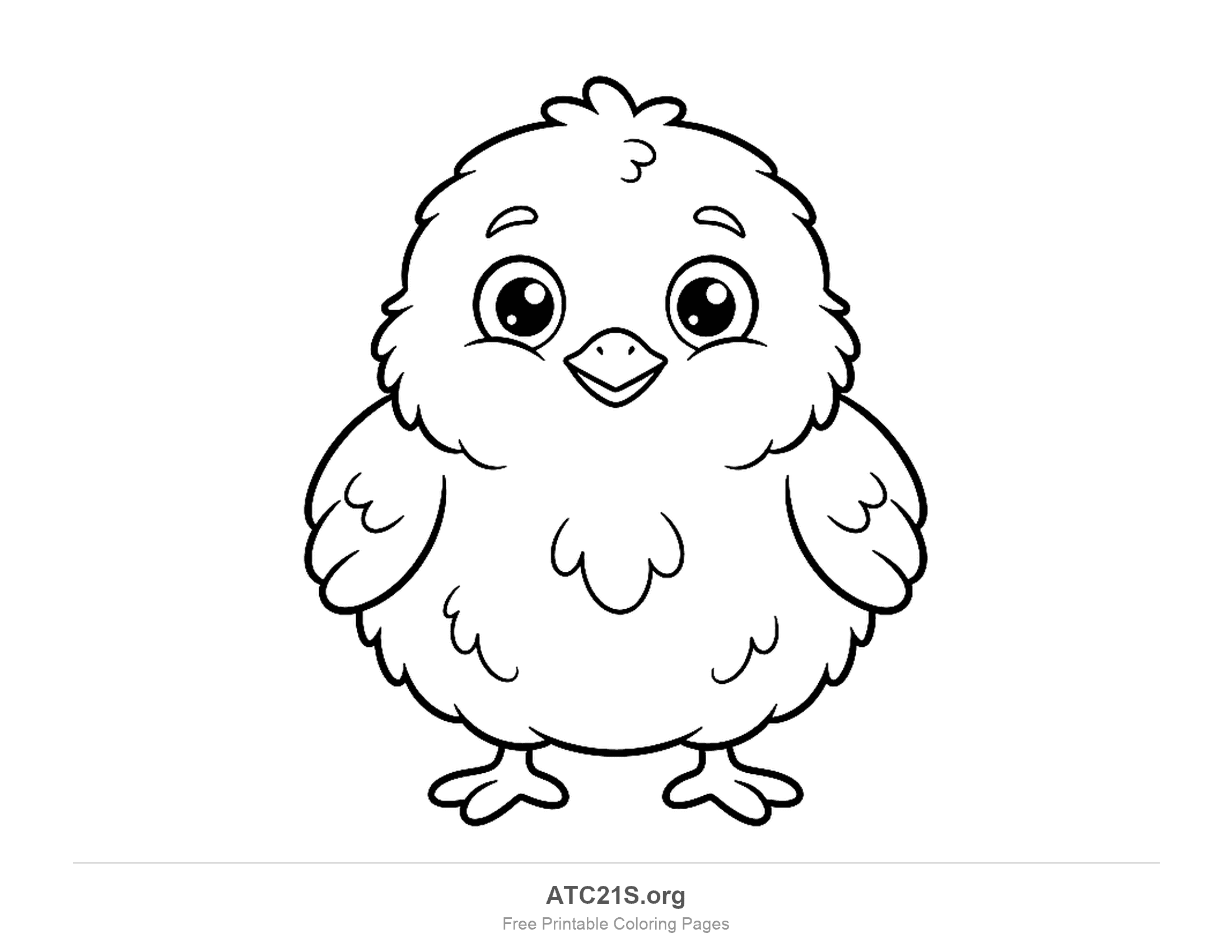
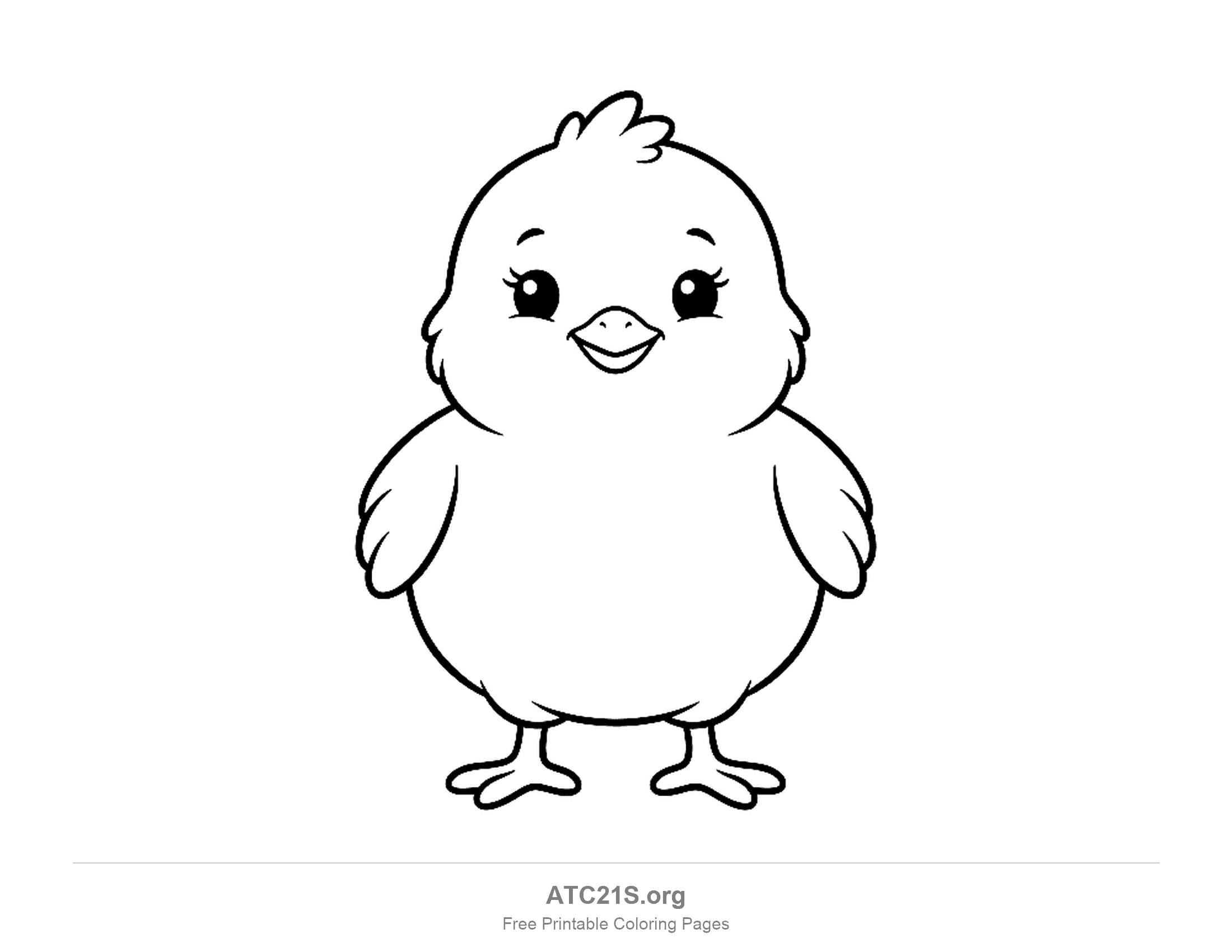
Birds live on every continent, from backyard gardens to rainforests, deserts and polar ice. This page collects eight different kinds — a chick, a penguin, a toucan, a flamingo, an owl, a hummingbird, an eagle and a peacock — so children can see how varied birds really are. Some fly, some hover, one cannot fly at all, and one fans out a tail bigger than its body.
Colour is the whole point of a bird page. A chick can be pale yellow; a flamingo is pink because of the shrimp it eats; a toucan's beak is a stripe of orange, red, black and sometimes blue; a peacock's train is metallic green and blue with a chestnut eye in each feather. There is no single "right" bird colour, so children can match a real species or invent their own rainbow bird.
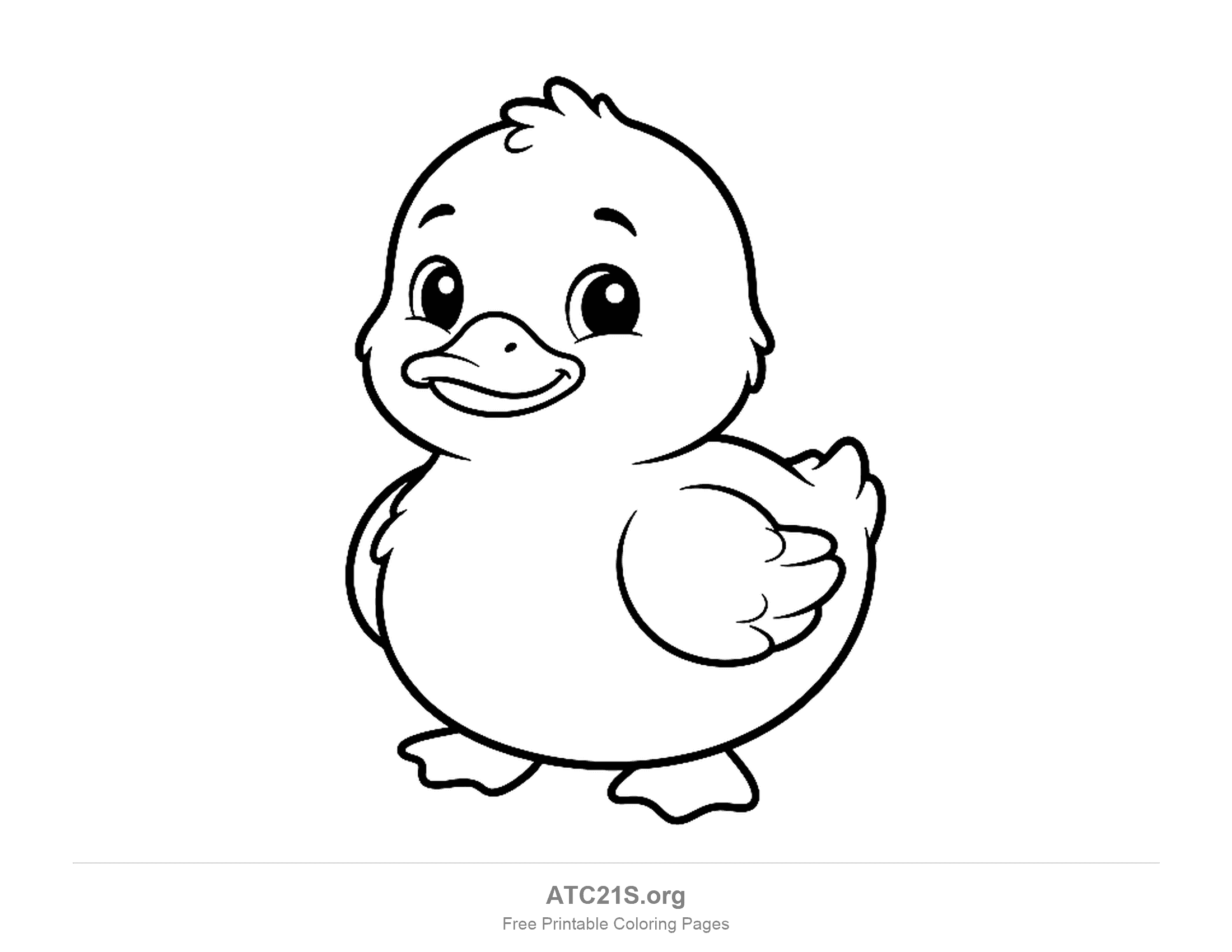
The eight designs get steadily harder. The chubby standing chick and the waddling penguin come first — thick outlines and huge open shapes for toddlers still learning to stay inside the lines. The toucan on its branch and the one-legged flamingo sit in the middle, adding a few interior shapes (beak bands, wing layers) without getting fussy. Then the wide-eyed owl with scalloped chest feathers and the hovering hummingbird with motion lines on its wings. The last two are the long projects: a soaring eagle whose every flight feather is a separate shape, and a peacock whose fanned train is packed with eye-spots for children who like a careful, sit-down page.
Every sheet prints on landscape US Letter paper at 200 DPI, so the bird fills the page without being cut off. Plain copier paper is fine for crayons and colored pencils. Use slightly thicker card stock for markers or paint on the last two designs, where the narrow gaps between feathers can bleed shut on thin paper.
In the classroom these pages pair well with a unit on birds, on habitats, on the letter B, or on how wings work. Laying the penguin next to the eagle is a simple way to show that not every bird flies. The toucan, flamingo and peacock are a natural colour-mixing lesson. Print a few different designs and let each child pick: the chick is finished in a few minutes, while the peacock can fill a whole quiet afternoon.
If one bird catches a child's eye, every species here has its own page with eight more designs in the full bird collection. Birds also open a first conversation about looking after wild places. Rainforest toucans, wetland flamingos and garden hummingbirds all need the habitats they live in. Colouring one is a calm way to talk about trees, water and why these birds need protecting.