AnimalsJungle8 designsFree to print
print, color, learn
Free Panda Coloring Pages
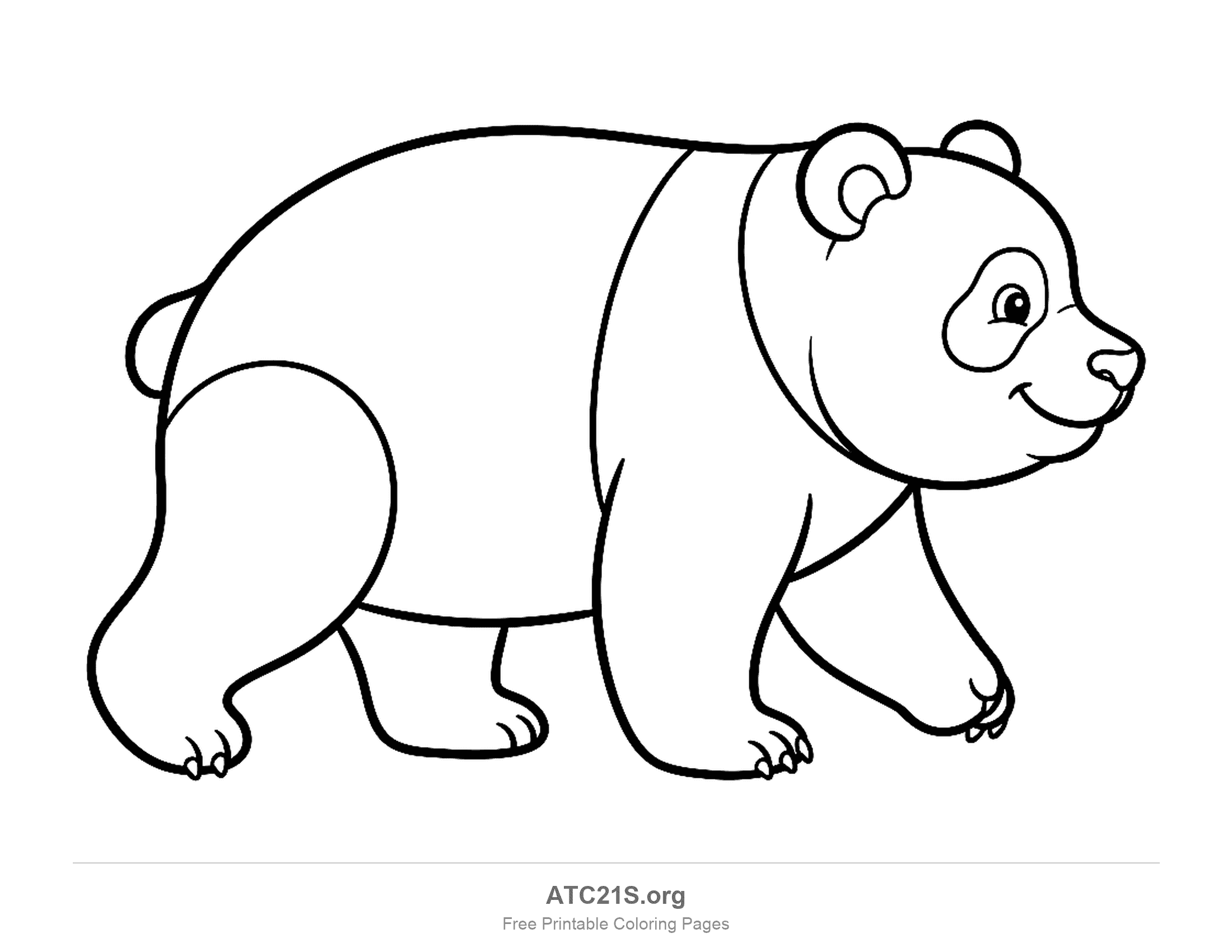
Eight free printable panda coloring pages, from a simple walking outline for little hands to a happy panda with paws on its cheeks for older kids. Download the PNG or print straight from this page.
share:
pick a favourite
8 Panda designs to color
Tap any sheet for a closer look, then download or print it.
Panda Coloring Page - Cute Sitting
Panda Coloring Page - Cute Lying Down
Panda Coloring Page - Cute Sleeping
Panda Coloring Page - Hugging Knees
Panda Coloring Page - Standing Arms Up
Panda Coloring Page - Playful Back Roll
Panda Coloring Page - Happy Paws On Cheeks
quick instructions
How to download and print
1. Pick your sheet
Preview any design below and choose the one you like best.
2. Print or download
Print straight from the page, or save the PNG to print later.
3. Color it in
Crayons, colored pencils or markers — plain paper works fine.
Every sheet is sized for landscape US Letter (11" x 8.5") at 200 DPI, so it fills the page without cropping. A4 works too — choose "fit to page" when printing.
while you color…
6 fun facts about the panda
A newborn panda cub is about the size of a stick of butter — around 100 grams — and is pink with almost no fur.
Giant pandas eat almost nothing but bamboo, and they can chew through 20 to 40 pounds of it in a day.
A panda has an extra wrist bone that works like a thumb, so it can hold a bamboo stalk while it eats.
Pandas spend 10 to 16 hours a day eating, because bamboo is mostly fibre and is not very filling.
Wild giant pandas live only in the mountain bamboo forests of central China.
A panda's black-and-white coat is always the same pattern: black ears, eye patches, legs and shoulders, and a white face, belly and back.
About the panda coloring page
Giant pandas live in the cool mountain forests of central China, where they spend most of the day sitting among bamboo. They are bears, not a separate kind of animal, but their black-and-white coat and round face make them one of the first animals children can name. A panda page is an easy one to sit down with: the patches are obvious, the shapes are big, and almost every child already has a picture of a panda in their head.
The classic panda is black and white — black ears, eye patches, arms and legs, with a white face, belly and back. That is a perfectly good way to color these sheets, and it teaches children the real pattern. It is also fine to ignore it. A pink panda, a rainbow panda, or a panda with green bamboo-leaf patches is just as welcome. If a child wants the classic look, point out that the inner ears and the eye patches are the black bits, and the muzzle, belly and the band across the back stay white.
The eight designs get steadily harder. First is a panda walking on all fours in side view — thick outlines and a huge open body, right for toddlers still learning to stay inside the lines. Then a round sitting cub with paws on its belly, a panda lying on its tummy with its chin on its paws, and a sleeping cub curled up with its eyes closed, all still bold and friendly. After that the poses get more interesting: a panda hugging its knees, a panda standing on its hind legs with both arms in the air, a playful panda rolling on its back with all four paws up, and finally a happy panda with paws on its cheeks, whiskers and a wide grin for children who like a bit more face detail.
Bamboo is the part worth pausing on. A giant panda eats almost nothing else, and because bamboo is not very filling it can spend ten to sixteen hours a day chewing. The "thumb" pandas use to hold a stalk is not a real thumb — it is an extra wrist bone — which is a nice thing to mention while a child is coloring the paws.
Every sheet prints on landscape US Letter paper at 200 DPI, so the panda fills the page without being cut off. Plain copier paper is fine for crayons and colored pencils. If you are using markers or paint, slightly thicker card stock stops the color bleeding through.
In the classroom these pages pair well with a lesson on animals of China, on bears, on black and white patterns, or on the letter P. The walking panda is finished in a few minutes; the happy face with whiskers can fill a quiet stretch of the afternoon. Print a few different designs and let each child pick the one that matches their patience that day. The bear pages show the brown and black relatives, the red panda the smaller animal that shares the name, the teddy bear sheets a stuffed-toy cousin, and the animal category page the rest.