AnimalsInsects8 designsFree to print
print, color, learn
Free Bug Coloring Pages
Eight free printable bug coloring pages, from a chunky crawling caterpillar for little hands to a finely patterned butterfly for older kids. Download the PNG or print straight from this page.
share:
pick a favourite
8 Bug designs to color
Tap any sheet for a closer look, then download or print it.
Bug Coloring Page - Cute Spotted Ladybug
Bug Coloring Page - Cute Stag Beetle
Bug Coloring Page - Cute Praying Mantis
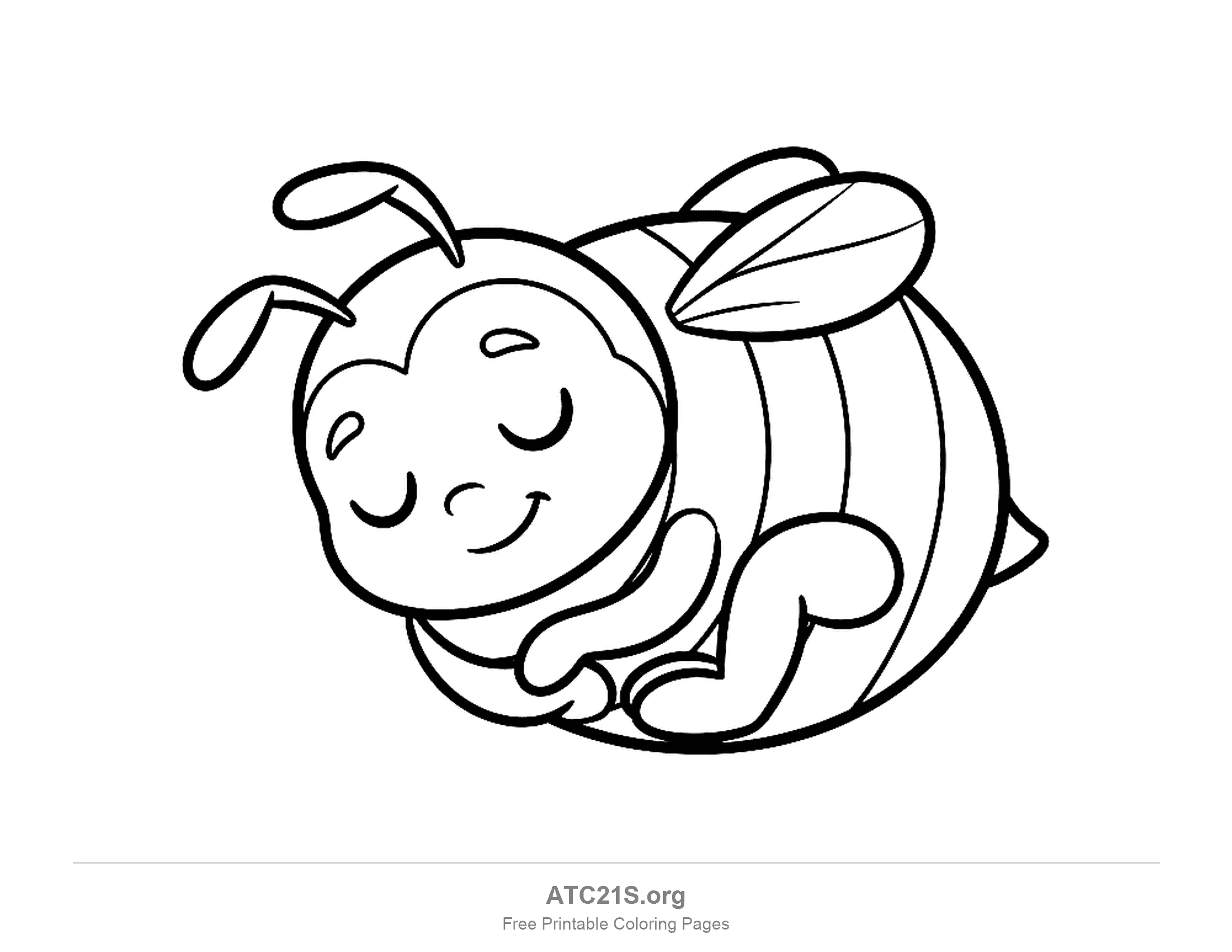
Bug Coloring Page - Cute Bumblebee Flying
Bug Coloring Page - Cute Grasshopper
Bug Coloring Page - Cute Dragonfly Flying
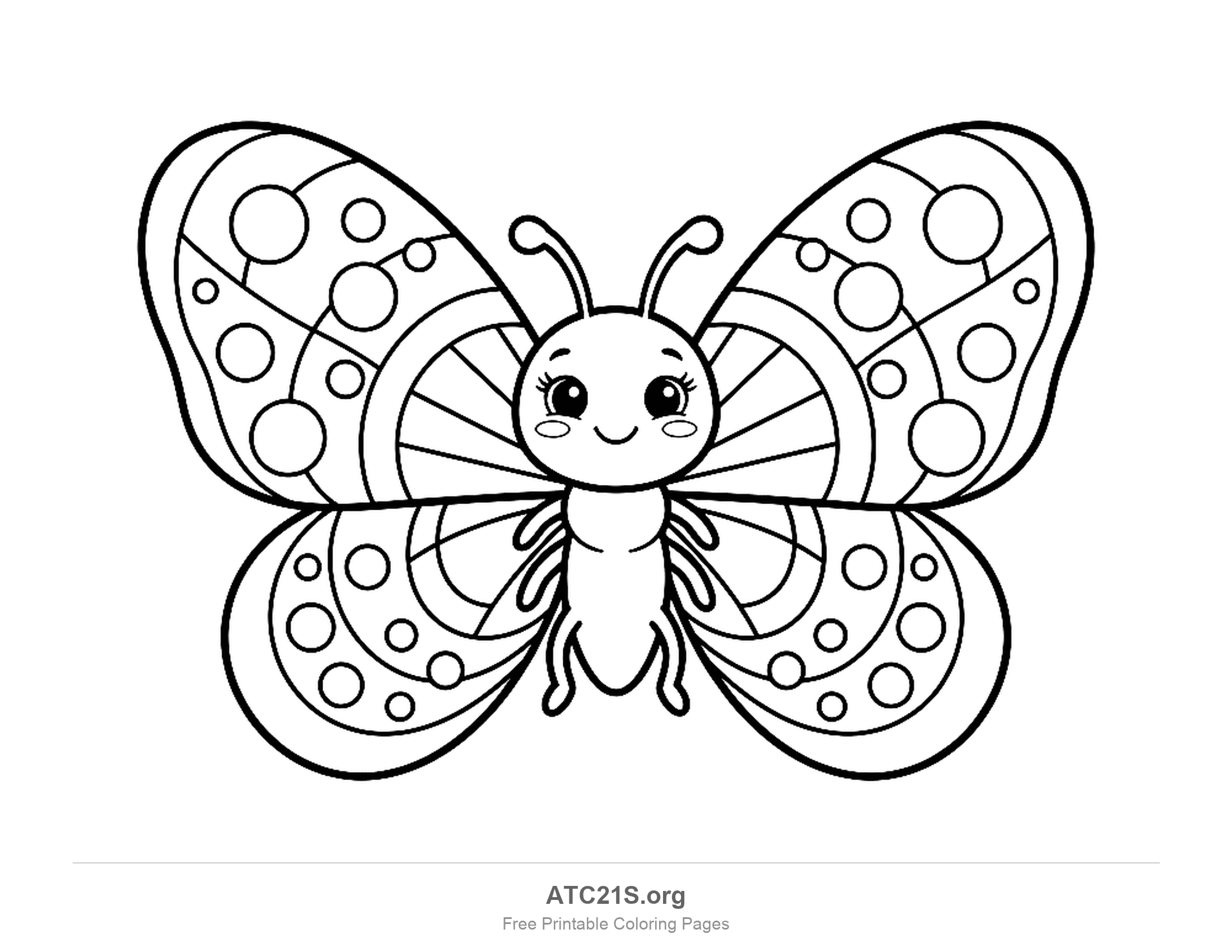
Bug Coloring Page - Detailed Patterned Butterfly
quick instructions
How to download and print
1. Pick your sheet
Preview any design below and choose the one you like best.
2. Print or download
Print straight from the page, or save the PNG to print later.
3. Color it in
Crayons, colored pencils or markers — plain paper works fine.
Every sheet is sized for landscape US Letter (11" x 8.5") at 200 DPI, so it fills the page without cropping. A4 works too — choose "fit to page" when printing.
while you color…
6 fun facts about the bug
Insects have six legs and three body parts: a head, a thorax and an abdomen.
There are more than a million known kinds of insects — more than all the other animals on Earth put together.
A ladybug can eat more than 50 aphids in a single day, which helps keep garden plants healthy.
Bumblebees can fly when it is too cold or rainy for honeybees, because their fuzzy coats keep them warm.
A grasshopper can jump about 20 times the length of its own body — like a person jumping the length of a basketball court.
Dragonflies can hover, fly backwards and reach 35 miles (56 km) per hour.
About the bug coloring page
Bugs — insects, really — live almost everywhere: gardens, ponds, woods, fields and even inside houses. They have six legs and three body parts, and the eight designs on this page show some of the ones children notice first: a caterpillar, a ladybug, a stag beetle, a praying mantis, a bumblebee, a grasshopper, a dragonfly and a butterfly. That mix makes the page useful for a first insect lesson, because each sheet is a different animal rather than eight poses of the same one.
Colour is wide open. Ladybugs are classically red with black spots, but some are yellow or orange. Bumblebees wear yellow and black stripes. Grasshoppers and praying mantises are usually green or brown so they blend into plants. Dragonflies come in blue, green, red and gold. Caterpillars can be green, stripy, or almost any colour at all. There is no single "right" bug colour, so children can copy a real insect they have seen or invent a rainbow one.
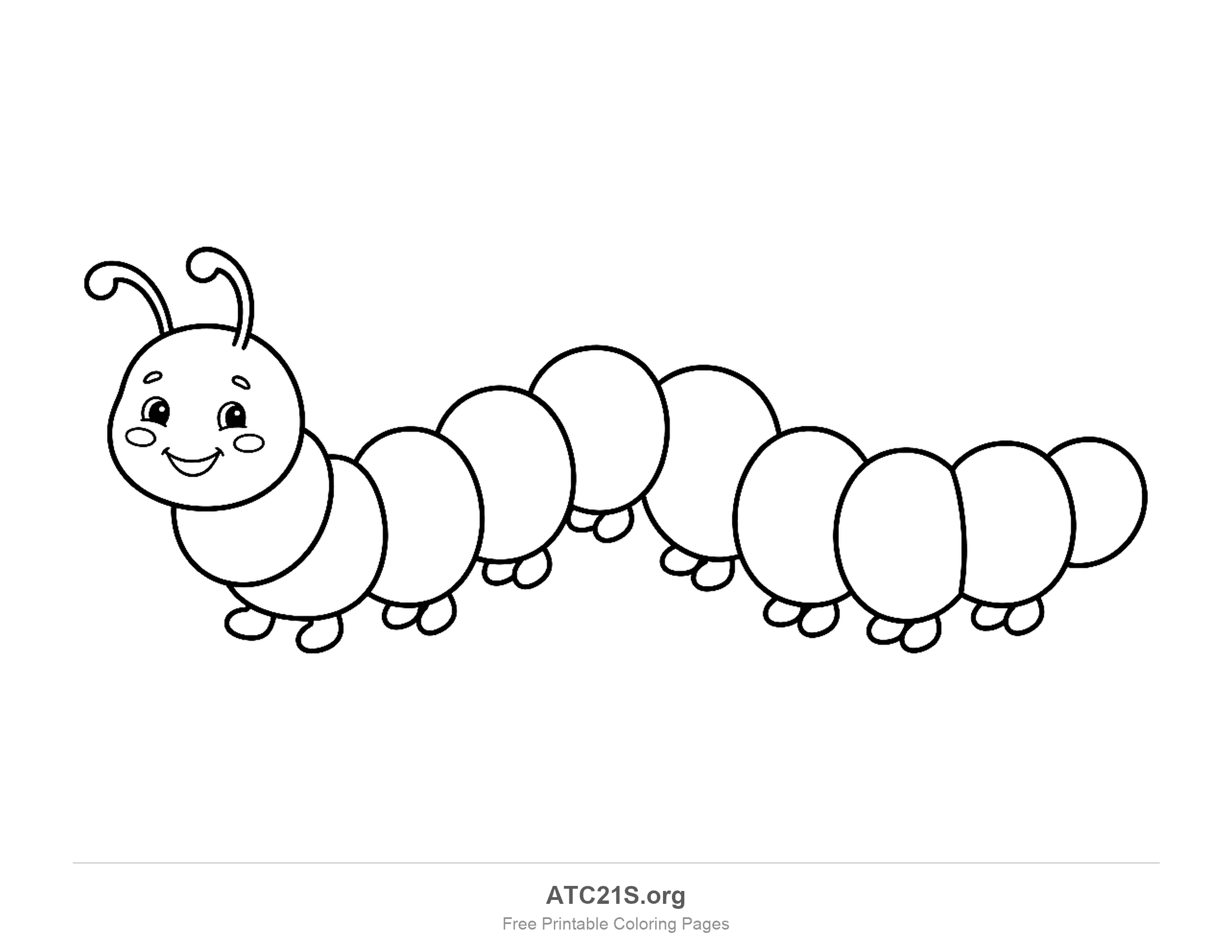
The eight designs run from easiest to hardest. The crawling caterpillar comes first — thick outlines and big round segments that suit toddlers still learning to stay inside the lines. Next is a spotted ladybug and a friendly stag beetle with large antler-like jaws, both still bold and cartoonish. A standing praying mantis with folded front legs sits in the middle. After that the detail climbs: a chubby flying bumblebee whose wings show veins, a grasshopper in profile with long jumping legs, a dragonfly with four long wings, and finally a butterfly whose wings are filled with circles, squares and geometric patterns for children who like a longer, careful project.
Every sheet prints on landscape US Letter paper at 200 DPI, so the bug fills the page without being cut off. Plain copier paper is fine for crayons and colored pencils. Use slightly thicker card stock for markers or paint on the last two designs, where the thin gaps between wing veins and wing patterns can bleed shut on thin paper.
In the classroom these pages pair well with a lesson on insects, on pollinators and gardens, on life cycles (the caterpillar and the butterfly sit nicely side by side), or on the letter B. The caterpillar is a calm quiet-time sheet for the youngest; the patterned butterfly can fill a whole afternoon. Print a few different designs and let each child pick the one that matches their patience that day. The butterfly and bee pages give each of those insects eight designs of its own, the ladybug pairs well with a printable rose because ladybugs patrol rose stems for aphids, and the animals we have drawn so far include everything larger.