AnimalsWoodland8 designsFree to print
print, color, learn
Free Otter Coloring Pages
Eight free printable otter coloring pages, from a simple diving otter for little hands to a detailed otter looking over its shoulder for older kids. Download the PNG or print straight from this page.
share:
pick a favourite
8 Otter designs to color
Tap any sheet for a closer look, then download or print it.
Otter Coloring Page - Cute Floating On Back
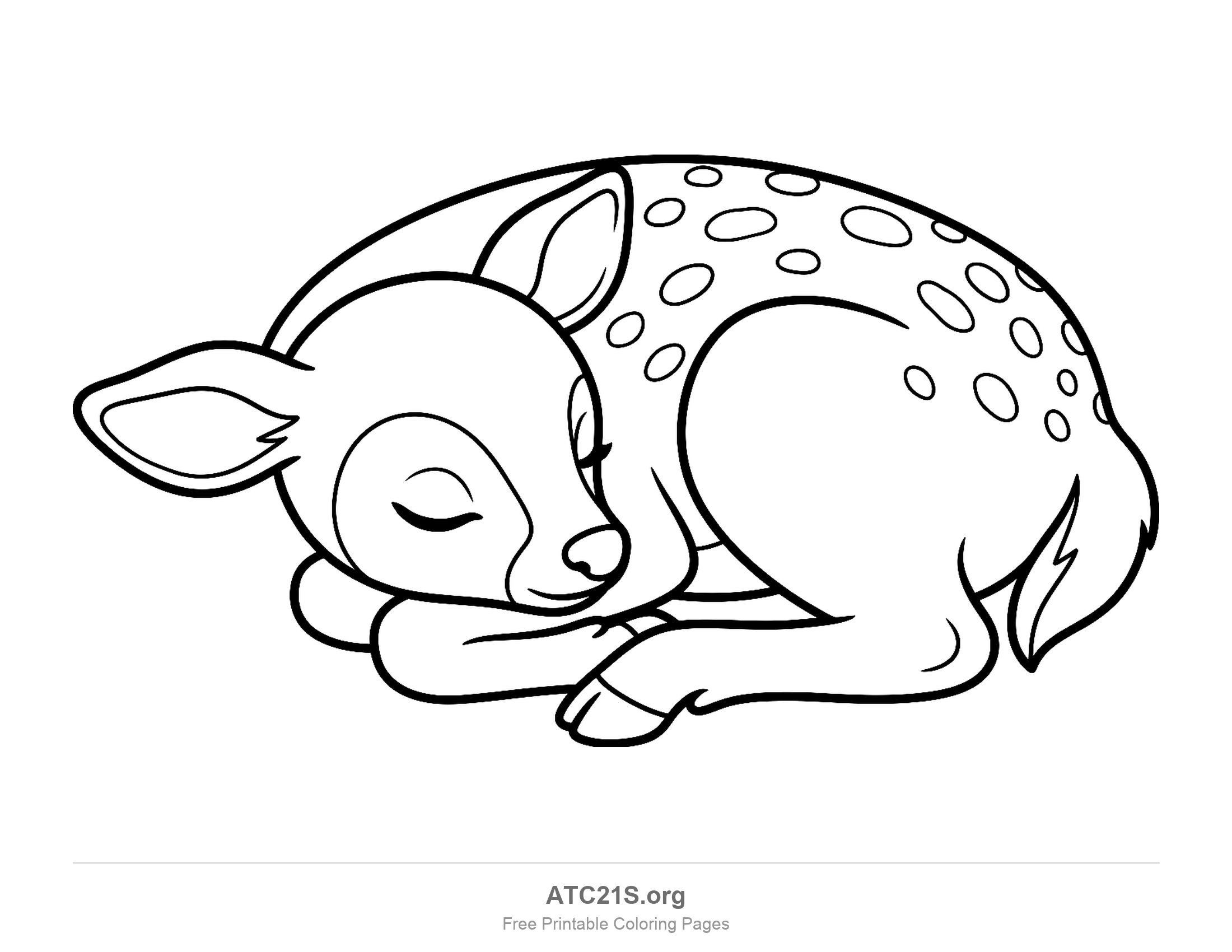
Otter Coloring Page - Cute Sleeping Curled
Otter Coloring Page - Cute Standing Paws Clasped
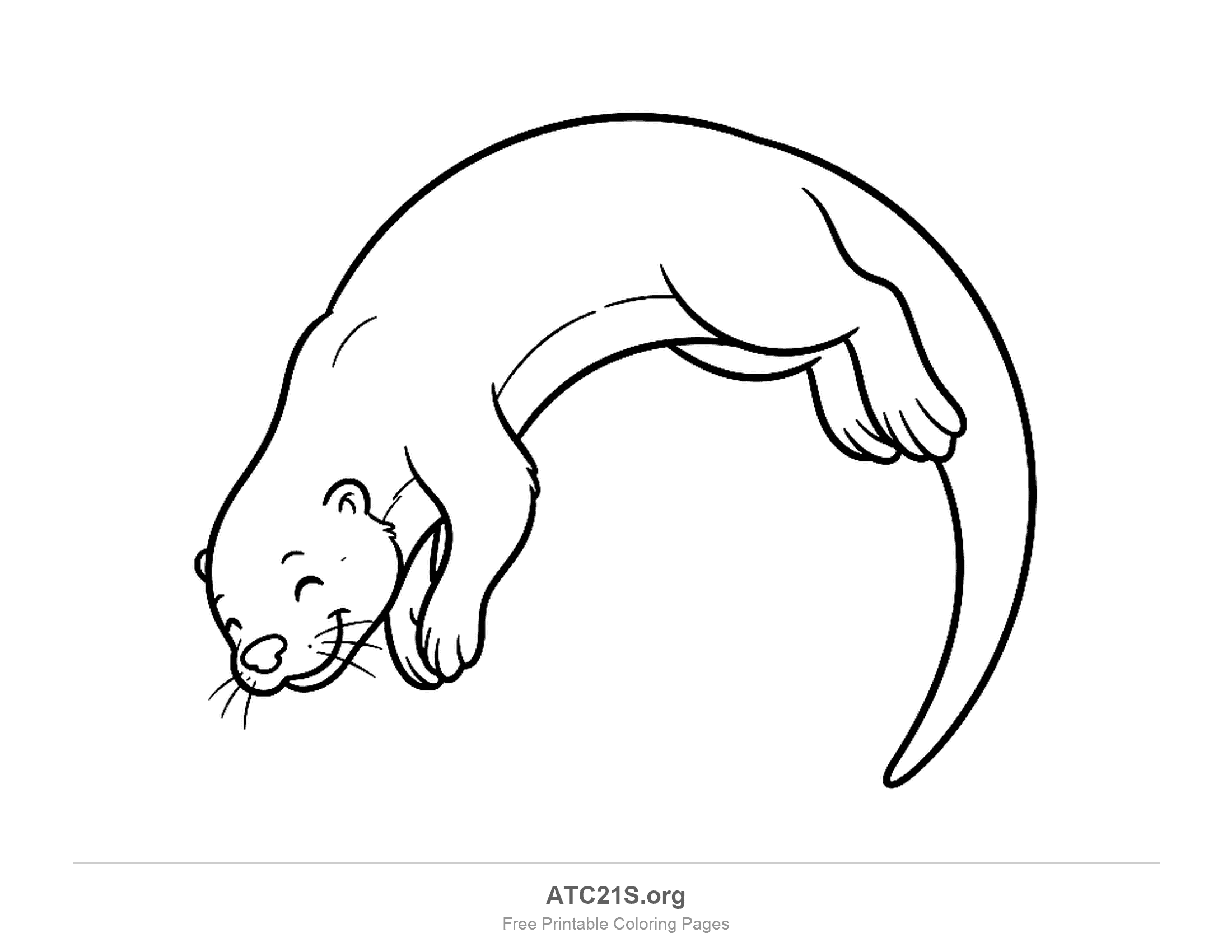
Otter Coloring Page - Sliding On Belly
Otter Coloring Page - Cute Sitting Waving
Otter Coloring Page - Cute Baby Sitting
Otter Coloring Page - Detailed Looking Over Shoulder
quick instructions
How to download and print
1. Pick your sheet
Preview any design below and choose the one you like best.
2. Print or download
Print straight from the page, or save the PNG to print later.
3. Color it in
Crayons, colored pencils or markers — plain paper works fine.
Every sheet is sized for landscape US Letter (11" x 8.5") at 200 DPI, so it fills the page without cropping. A4 works too — choose "fit to page" when printing.
while you color…
6 fun facts about the otter
Sea otters sometimes hold paws when they sleep so they do not float away from each other.
An otter's fur is the thickest of any animal — about a million hairs in a patch the size of a postage stamp.
Sea otters use rocks as tools to crack open crabs and clams on their bellies.
A baby otter is called a pup. It cannot swim at first, so its mother teaches it.
River otters love to slide down muddy or snowy banks on their bellies, just for fun.
A group of otters floating together in the water is called a raft.
About the otter coloring page
Otters are playful, whiskered mammals that live in rivers, lakes and coastal waters around the world. River otters hunt fish along wooded streams; sea otters float in kelp beds on the Pacific. Children usually meet them as the animal that slides on its belly or holds hands in the water, which is why they are such a cheerful animal to sit down and colour.
The real coat is rich brown, chocolate or almost black, with a paler cream or silvery chest, muzzle and belly. That is a perfectly good way to colour these sheets. It is also fine to ignore it. A ginger otter, a snowy one, or a rainbow one is just as welcome. Point out the long tapering tail, the small round ears and the whiskers — those three shapes are what make it an otter rather than a weasel or a seal.
The eight designs get steadily harder. First is a simple otter diving in a smooth curve, with thick outlines and almost no interior detail, right for toddlers still learning to stay inside the lines. Then a cute otter floating on its back with paws on its chest, one curled up asleep in a round ball, and one standing upright with its paws clasped, all still bold and friendly. After that the drawings add more fur: an otter sliding on its belly with a big open-mouthed grin, a sitting otter waving, a chubby baby pup with huge round eyes, and a walking otter looking back over its shoulder whose fluffy tail takes a little more patience.
Floating and sliding are the parts worth pausing on. Sea otters sleep on their backs and sometimes hold paws so they do not drift apart, and they use their belly as a table to crack open clams with a rock. River otters, meanwhile, love to whoosh down muddy or snowy banks on their tummies. The floating sheet and the sliding sheet are the natural ones to talk about while colouring — ask whether this otter is having a rest or racing a friend down the bank.
Every sheet prints on landscape US Letter paper at 200 DPI, so the otter fills the page without being cut off. Plain copier paper is fine for crayons and colored pencils. If you are using markers or paint, slightly thicker card stock stops the colour bleeding through — worth doing on the last two sheets, where the fur lines sit a little closer together.
In the classroom these pages pair well with a lesson on rivers and wetlands, on mammals that swim, on the letter O, or on animal tools (the sea otter is one of the few mammals that uses a rock). Print an otter next to a raccoon page and let children spot which animal has the long tapering tail. The diving otter is finished in a few minutes; the looking-over-shoulder sheet can fill a quiet stretch of the afternoon. Print a few different designs and let each child pick the one that matches their patience that day. The capybara and frog pages share the same riverbank, and the other animal designs has the rest.