AnimalsWoodland8 designsFree to print
print, color, learn
Free Squirrel Coloring Pages
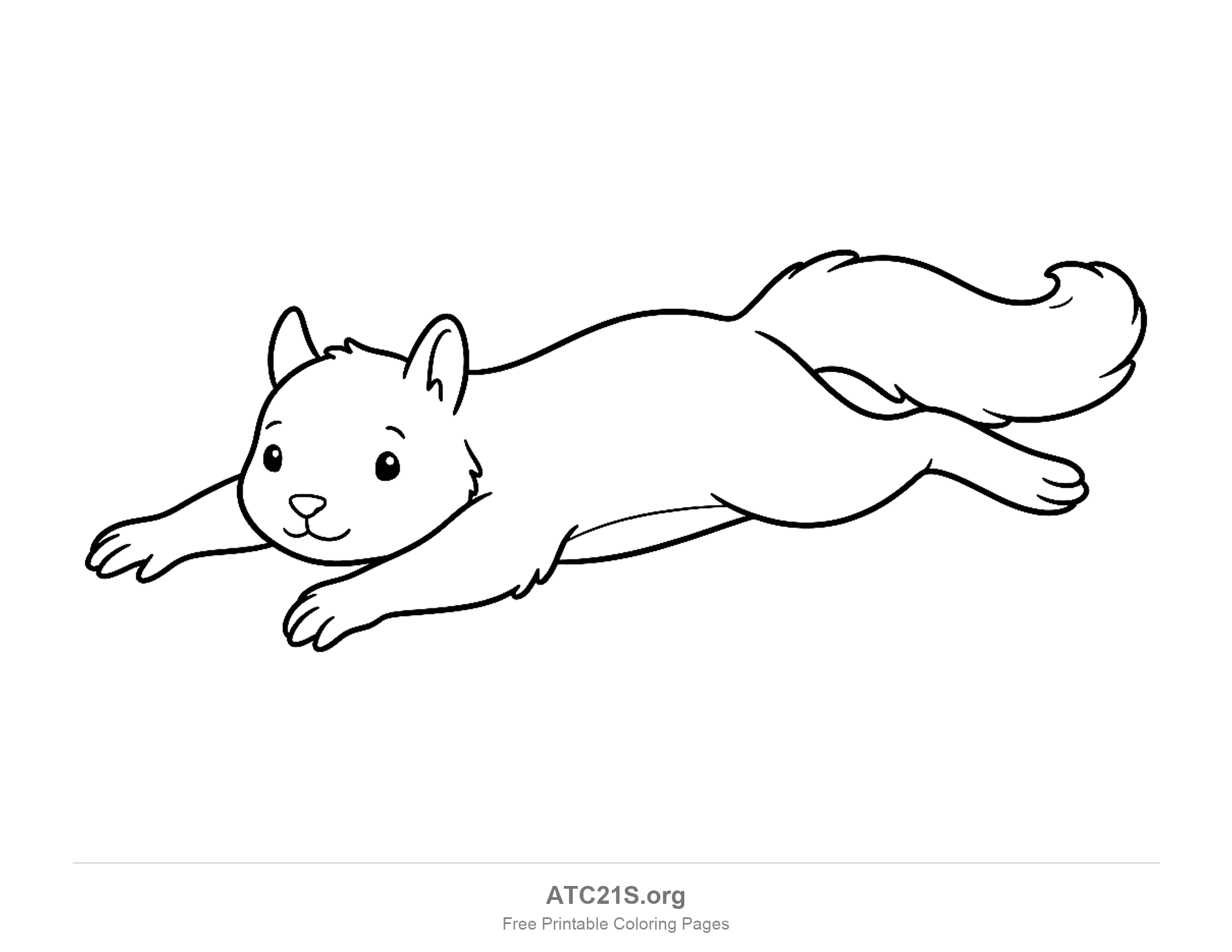
Eight free printable squirrel coloring pages, from a simple lying-down squirrel for little hands to a gliding flying squirrel for older kids. Download the PNG or print straight from this page.
share:
pick a favourite
8 Squirrel designs to color
Tap any sheet for a closer look, then download or print it.
Squirrel Coloring Page - Cute Puffed Cheeks
Squirrel Coloring Page - Cute Sitting Tufted Ears
Squirrel Coloring Page - Cute Standing
Squirrel Coloring Page - Looking Over Shoulder
Squirrel Coloring Page - Mid Air Leap
Squirrel Coloring Page - Scampering Tufted Ears
Squirrel Coloring Page - Gliding Flying Squirrel
quick instructions
How to download and print
1. Pick your sheet
Preview any design below and choose the one you like best.
2. Print or download
Print straight from the page, or save the PNG to print later.
3. Color it in
Crayons, colored pencils or markers — plain paper works fine.
Every sheet is sized for landscape US Letter (11" x 8.5") at 200 DPI, so it fills the page without cropping. A4 works too — choose "fit to page" when printing.
while you color…
6 fun facts about the squirrel
A squirrel's front teeth never stop growing, so it has to chew on nuts and wood every day to keep them short.
Squirrels bury thousands of nuts each autumn and find most of them later by smell, even under snow.
A squirrel can turn its back feet all the way around so it can run down a tree head-first.
The bushy tail works as a blanket in winter, a parachute when jumping, and an umbrella in the rain.
Flying squirrels do not really fly — they stretch flaps of skin and glide from tree to tree.
Baby squirrels are born hairless with their eyes closed, and they stay in the nest for about two months.
About the squirrel coloring page
Squirrels are small, bushy-tailed rodents that live in woods, parks and backyards on every continent except Australia and Antarctica. Children usually notice two things first: the huge tail and the habit of sitting up on the hind legs to nibble a nut. Grey squirrels, red squirrels with tufted ears, and flying squirrels that glide between trees are all on this page, so a child can colour a squirrel they might actually see on a walk.
The coat is the fun part, and there is no single "right" squirrel. Grey squirrels are silver-grey with a white belly; red squirrels are rusty orange with ear tufts; fox squirrels are reddish-brown; flying squirrels are brown or grey with a paler underside. Children can copy a real coat or invent a purple one. Point out the pale belly and the underside of the tail, which stay lighter on almost every real squirrel, and the big empty tail on every sheet, which is the most satisfying shape to fill.
The eight designs get steadily harder. The lying-down squirrel comes first — thick outlines, a long open body and almost no interior detail, right for toddlers still learning to stay inside the lines. Then a chubby front-facing squirrel with puffed cheeks and a round belly, a sitting squirrel with tufted ears and paws clasped, and a standing squirrel on its hind legs, all still bold and cartoonish. After that the detail climbs: a squirrel glancing back over its shoulder with a big curling tail, a squirrel leaping mid-air, a tufted-ear squirrel scampering on all fours, and finally a flying squirrel stretching its gliding membranes for children who like a longer, careful project.
The tail is the part worth pausing on. A squirrel uses it as a blanket in winter, a parachute when it jumps, a sunshade in summer and a signal flag to warn other squirrels. The looking-over-shoulder sheet shows the tail at its biggest; the flying-squirrel sheet shows a different trick altogether — flaps of skin between the arms and legs that let it glide from tree to tree, which is not the same as flying.
Every sheet prints on landscape US Letter paper at 200 DPI, so the squirrel fills the page without being cut off. Plain copier paper is fine for crayons and colored pencils. If you are using markers or paint, slightly thicker card stock stops the colour bleeding through — worth doing on the last two sheets, where the fur lines sit closer together.
In the classroom these pages pair well with a lesson on woodland habitats, on animals that store food for winter, on how tails help animals, or on the letter S. Autumn is the obvious moment, when squirrels are burying nuts, but they fit a spring nature unit just as well. Print a few different designs and let each child pick: the lying-down squirrel is finished in a few minutes, while the flying squirrel can fill a whole quiet afternoon, which keeps a mixed-age table busy at the same time. The raccoon and fox pages share the same woods, a hedgehog sheet adds the spiky garden neighbour, and the other animal outlines has the rest.