Country Flags2 designsFree to print
print, color, learn
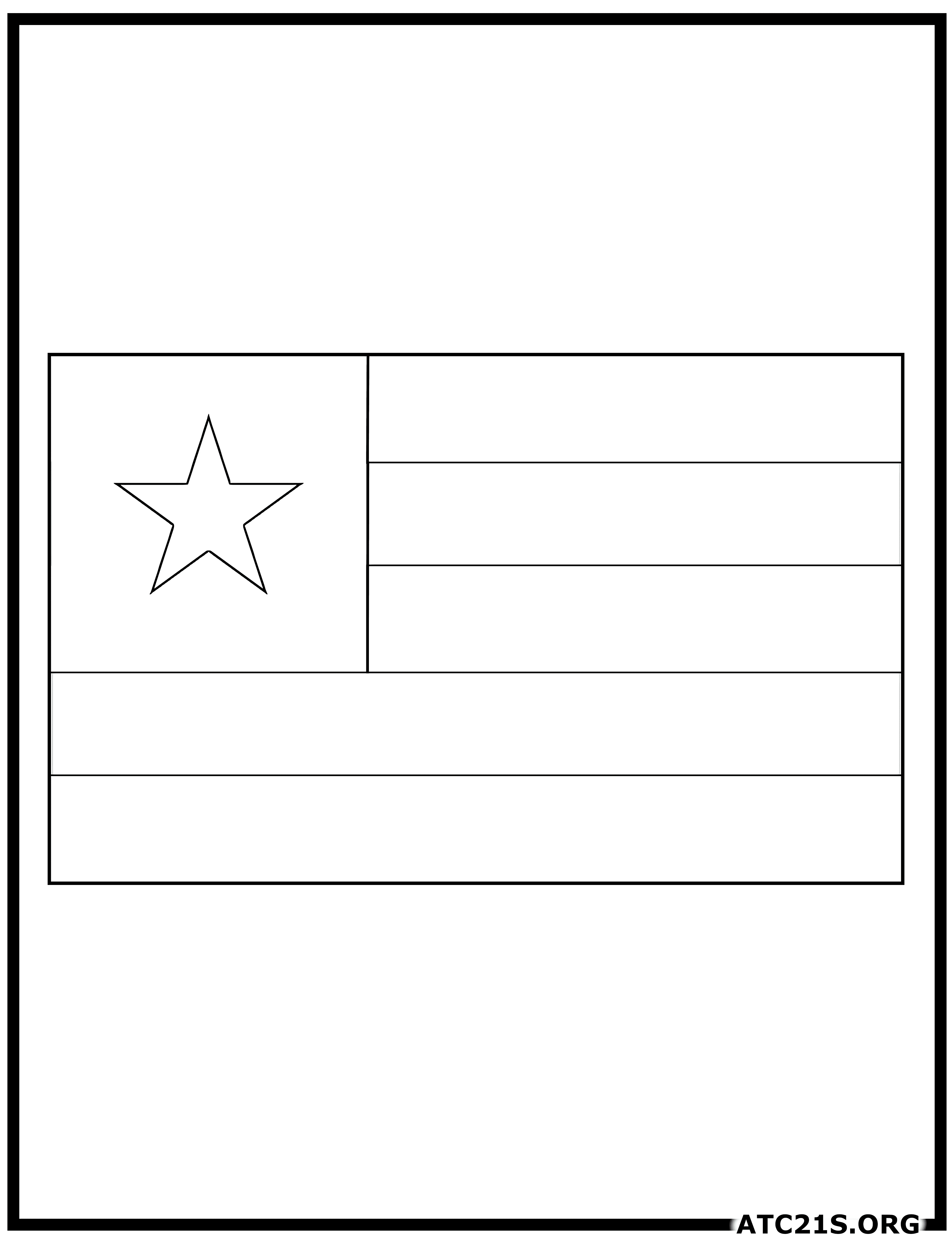
Togo Flag Coloring Page
Learn about the flag of Togo with this free printable coloring page. Perfect for teaching children about world geography and flags!
share:
pick a favourite
2 Country Flags designs to color
Tap any sheet for a closer look, then download or print it.
Togo Flag Colored
quick instructions
How to download and print
1. Pick your sheet
Preview any design below and choose the one you like best.
2. Print or download
Print straight from the page, or save the PNG to print later.
3. Color it in
Crayons, colored pencils or markers — plain paper works fine.
Every sheet is sized for landscape US Letter (11" x 8.5") at 200 DPI, so it fills the page without cropping. A4 works too — choose "fit to page" when printing.
About this coloring page
The flag of Togo consists of five horizontal stripes of green, yellow, white, red, and green. The flag has a ratio of 1:1.5, meaning that the width is one and a half times the height. The green stripe at the top and bottom represents the country's agricultural wealth, while the yellow stripe symbolizes the country's mineral resources. The white stripe in the middle represents purity, peace, and unity. The red stripe represents the country's struggle for independence and the sacrifices made by its people.
The flag of Togo was adopted on April 27, 1960, when the country gained independence from France. It was designed by Paul Ahyi, a Togolese artist and sculptor. The flag was chosen to reflect the aspirations and values of the newly independent nation.
Togo, officially known as the Togolese Republic, is a country located in West Africa. It gained independence from French colonial rule on April 27, 1960, becoming the first African colony to achieve independence from France. The flag of Togo was hoisted for the first time on this historic day.
The green color in the flag represents the country's agricultural resources, as Togo is known for its fertile land and agricultural production. The yellow color symbolizes the country's mineral wealth, including phosphates, which are a major export for Togo. The white color represents purity, peace, and unity, reflecting the country's desire for harmony and stability. The red color symbolizes the struggle for independence and the sacrifices made by the Togolese people.
The flag of Togo has remained unchanged since its adoption in 1960. It is a symbol of national pride and identity for the people of Togo. The flag is prominently displayed in various public places, including government buildings, schools, and during national events and celebrations.
In conclusion, the flag of Togo consists of five horizontal stripes of green, yellow, white, red, and green. It was adopted on April 27, 1960, when Togo gained independence from France. The flag represents the country's agricultural and mineral resources, purity, peace, unity, and the struggle for independence. It is a symbol of national pride and identity for the people of Togo.
keep coloring